
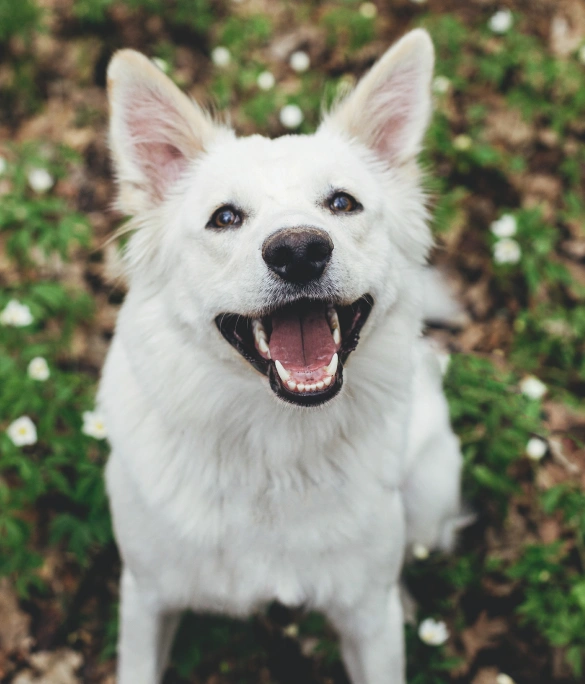
Maintain Your Dog’s Dental Health With Regular Care
Ensuring your dog’s dental health is essential to their overall well-being. At Care of the Animals, we offer specialized dog dentistry in Richmond to keep your pet’s teeth and gums in prime condition. Routine dental care for dogs not only helps your dog avoid discomfort but also protects them from severe health conditions caused by oral neglect. Dental disease in dogs can lead to infections, pain, and even problems affecting their vital organs, so regular checkups are crucial.
Richmond is a community filled with active families and dog lovers who enjoy walks through beautiful parks and green spaces. Maintaining your dog’s dental health is key to supporting an active and pain-free lifestyle in our vibrant city. Whether it’s exploring the James River or enjoying time outdoors, your dog’s oral health plays a role in their ability to stay active and happy.

Why Is Dog Dental Care So Important?
Many dog owners remain unaware that dental problems are among the most common health concerns in dogs. When left untreated, dental disease can cause significant discomfort and facilitate the spread of bacteria through the bloodstream, potentially affecting vital organs such as the heart and kidneys.
Our Approach to Dog Dental Services in Richmond
At Care of the Animals, we offer various diagnostic tests that help us assess your dog’s health thoroughly. Our goal is to make the process as smooth as possible and get clear answers quickly so we can move forward with effective treatment. Some of the diagnostic services we offer include:
- Comprehensive Dental Exams: A thorough examination of your dog’s teeth, gums, and mouth to identify signs of dental disease or other potential health issues. Early detection leads to easier treatments and better outcomes.
- Professional Teeth Cleaning: Just like humans, dogs need regular cleanings to remove plaque and tartar buildup. We use gentle, effective tools to ensure your dog’s teeth stay in top condition.
- X-rays for Hidden Issues: We provide dental X-rays to identify hidden dental problems beneath the gumline. These advanced images help us spot infections, abscesses, and tooth decay early.
- Tooth Extractions: If a tooth is too damaged or infected to be saved, we may recommend an extraction, which will be done under anesthesia to ensure your dog is comfortable and safe.
- Periodontal Treatments: Gum disease is common in dogs, but it can be reversed if treated early. We offer a variety of treatments to prevent and manage periodontal disease.
What Are the Benefits of Dog Dental Care?
Regular dental checkups not only prevent painful conditions but also save you money in the long run. Catching problems early makes treatments less costly and less invasive. In addition, healthy teeth and gums help your dog maintain a better quality of life, allowing them to stay active, eat comfortably, and enjoy their daily activities.

Signs Your Dog May Need Dental Care
Watching for early signs of dental issues in your dog is crucial. Some of the most common symptoms of dental disease include:
- Bad breath (halitosis)
- Swollen or bleeding gums
- Difficulty chewing or eating
- Excessive drooling
- Yellow or brown buildup on teeth
If your dog shows any of these symptoms, seek professional care right away. Early intervention can prevent the problem from getting worse and improve your dog’s overall comfort.
What to Expect During a Dental Appointment
Dental care for dogs begins with a comprehensive dental exam, where we’ll carefully check your dog’s teeth and gums for any signs of problems. Depending on the findings, we may recommend a professional cleaning, dental X-rays, or further treatments. We’ll provide you with all the information you need to make an informed decision about your dog’s dental care.
Is Your Dog Due for a Dental Checkup?
Proactively caring for your dog’s dental health will help them stay happy, comfortable, and healthy throughout their life. Regular dental checkups are just as important as regular vet visits. At Care of the Animals, we’re dedicated to providing the best dog dental services in Richmond to ensure your dog’s oral health is always in top shape.
Contact Us for Dog Dental Care in Richmond
Dental care is an essential part of your dog’s health and happiness. By investing in routine dental exams and professional cleanings, you’re helping your dog maintain a healthy, pain-free life. Contact Care of the Animals today if you’re looking for dog dental care in Richmond to schedule a dental appointment and ensure your dog’s smile stays bright and healthy!
Frequently Asked Questions
