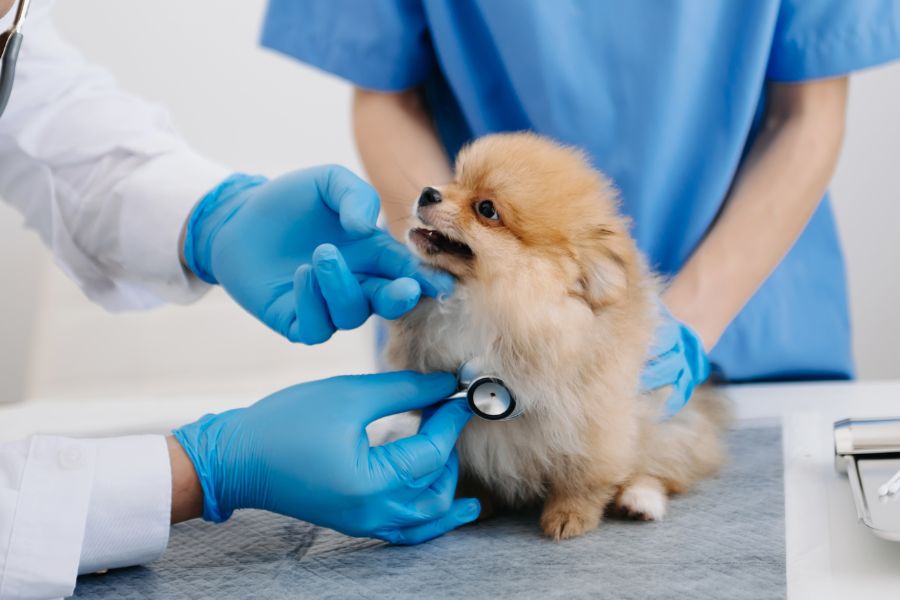
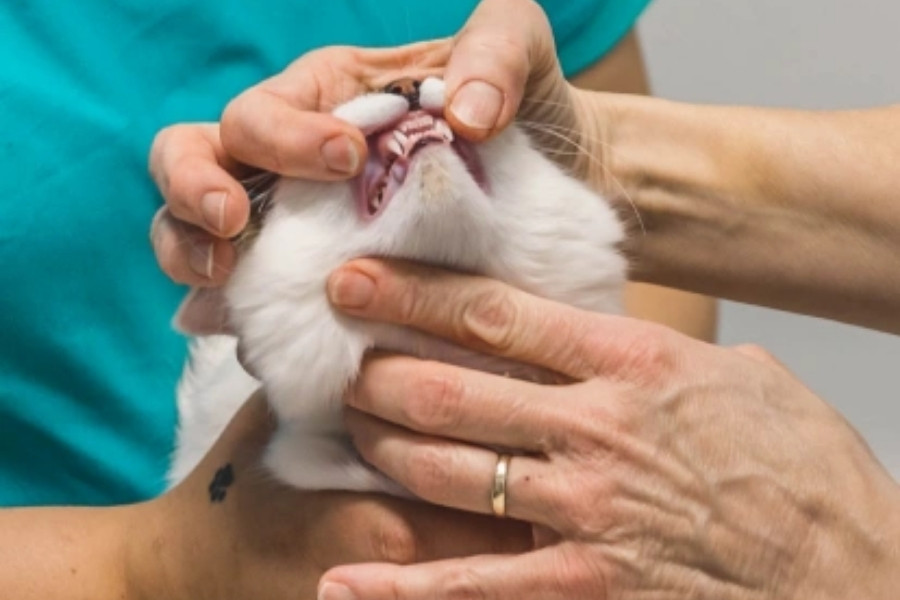
Most pet owners focus on vaccinations, diet, and exercise but often overlook one vital aspect of their pet’s well-being—oral health. Dental problems in pets can start quietly but quickly spiral into serious health complications if ignored. Bacteria from dental disease can travel through the bloodstream, affecting vital organs like the heart, liver, and kidneys. This silent threat highlights why regular dental checkups matter so much.
When you invest in pet dentistry in Richmond, you’re not just cleaning teeth; you’re protecting your pet’s entire body from avoidable illnesses.
From Bad Breath to Bigger Problems: Understanding Pet Dental Disease
Halitosis, or bad breath, might seem like a minor inconvenience, but it’s often the first sign of dental disease in pets. Left untreated, plaque hardens into tartar, which leads to gum inflammation (gingivitis) and then periodontitis—the advanced stage of gum disease.
This progression causes pain, tooth loss, and infections. Worse, bacteria can enter the bloodstream, triggering inflammation and damage in other organs. The connection between oral health and overall health is direct and alarming.
Hence, taking your pet to a trusted pet dentistry in Richmond clinic can catch these problems early before they escalate.
Daily Dental Habits: The First Line of Defense
Good oral hygiene at home sets the foundation for lasting dental health. Brushing your pet’s teeth daily might seem challenging, but it’s the most effective way to reduce plaque buildup. There are also dental treats, toys, and water additives designed to help maintain a cleaner mouth.
Remember, consistency is key. Combine daily care with professional cleanings, and your pet will enjoy better health and comfort throughout life.
Professional Pet Dentistry: More Than Just a Cleaning
Routine visits to a professional pet dentist provide thorough examinations that detect hidden problems early. Veterinarians focus on the gum line areas that are impossible to reach during home care. They also screen for oral tumors, broken teeth, and infections that could otherwise go unnoticed.
By choosing pet dentistry, you ensure your pet receives the best preventive care and treatment tailored to their needs. This approach saves you money in the long run by avoiding costly emergency treatments.
How Dental Health Influences Overall Wellness
A healthy mouth doesn’t just mean fresh breath; it impacts your pet’s quality of life in countless ways. When dental pain is eliminated, pets eat better, stay active, and exhibit fewer behavioral changes caused by discomfort.
Moreover, controlling oral bacteria reduces the risk of systemic infections that could shorten your pet’s lifespan. Thus, dental care is an essential part of comprehensive pet health management.
Creating a Dental Care Routine at Home
Veterinary dental visits are crucial, but home care fills the gap between appointments. Start by introducing tooth brushing gradually, using pet-safe toothpaste. Offer dental chews and toys that encourage chewing, which naturally scrapes off plaque.
Also, monitor your pet for signs like pawing at the mouth, difficulty eating, or bleeding gums. Early detection paired with consistent care prevents minor issues from becoming serious.
Frequently Asked Questions (FAQs)
Q1. How often should I take my pet for professional dental cleanings?
Ans. Most veterinarians recommend a dental checkup and cleaning at least once a year, but some pets may need more frequent visits depending on their health.
Q2. Is pet dental care painful for my furry friend?
Ans. Professional cleanings are done under anesthesia to ensure your pet’s comfort and safety. At-home brushing, when done gently, is painless and helps prevent future discomfort.
Q3. Can dental disease really affect my pet’s organs?
Ans. Yes. Bacteria from infected gums can enter the bloodstream, potentially damaging the heart, liver, and kidneys, leading to serious health complications.
Q4. What are common signs of dental problems in pets?
Ans. Watch for bad breath, drooling, difficulty eating, red or swollen gums, and loose or missing teeth.
Q5. Are dental treats effective?
Ans. Dental treats can help reduce plaque but should be used as a supplement to brushing and professional cleanings, not a replacement.
Q6. How can I find reliable pet dentistry in Richmond?
Ans. Look for veterinarians with experience in dental care, positive reviews, and clear explanations of procedures and preventive care options.
Taking care of your pet’s teeth is more than cosmetic—it’s an essential step to ensuring their overall health and happiness. By combining daily care with professional dental services, you guard your beloved companion against serious illnesses and improve their quality of life. Start today by consulting with your local experts in pet dentistry in Richmond and give your pet the gift of a healthy smile.