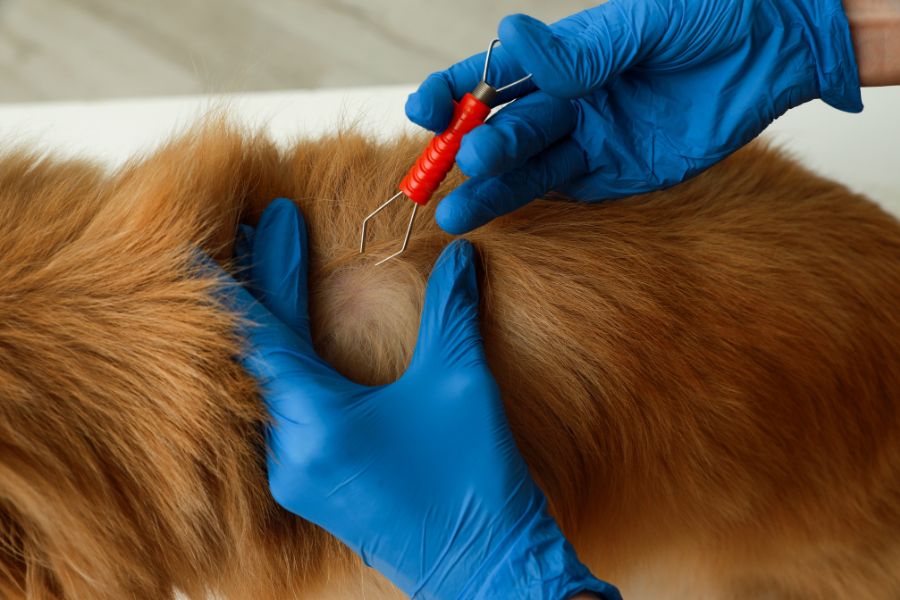

Hip dysplasia can profoundly affect a pet’s life—causing pain, reluctance to move, and loss of the joy that comes with tail wags or purrs. Traditionally, treatments have focused on surgeries, medications, and physical therapy. However, an increasing number of vet professionals and pet owners are curious about the role of chiropractic care for pets. Can animal chiropractic care make a real difference? Let’s explore the possibilities with insights direct from vets Richmond and pet chiropractic services in Richmond.
Understanding Hip Dysplasia: What’s Really Happening?
Hip dysplasia is a genetic condition that causes abnormal formation and looseness of the hip joint, leading to wear-and-tear, inflammation, and chronic discomfort as pets age. Common signs include limping, stiffness, difficulty rising, decreased activity, and sometimes muscle wasting.
Chiropractic Care 101: How It Works for Pets
Animal chiropractic is a drug-free, non-invasive approach to musculoskeletal wellness. Certified animal chiropractors—often working in partnership with a veterinarian in Richmond—perform gentle adjustments and manipulations that target misaligned joints and irritated nerves. These techniques can restore proper movement, enhance nerve function, and promote natural healing.
Chiropractic care commonly includes:
- Spinal and joint manipulation
- Mobilization and soft tissue therapy
- Rehabilitative exercises tailored to your pet.
The Benefits: Pain Relief, Mobility, and More
Studies show pets receiving regular chiropractic care for hip dysplasia often see a 2–8x improvement in joint function and mobility. Here’s how chiropractic care can help:
- Reduces pain and discomfort
- Restores mobility, helping pets walk and play with less effort
- Improves blood flow and reduces inflammation in affected joints
- Complements other treatments, such as physical therapy and medications
Real-life stories from Richmond demonstrate older dogs regaining enthusiasm for walks and dramatic improvements in quality of life when chiropractic care joins their holistic treatment plan.
Integrated Care: Not a Replacement, but a Partner
It’s crucial to remember that chiropractic doesn’t cure hip dysplasia—but it helps manage symptoms and support overall wellness. Most vets in Richmond recommend an integrated approach: weight management, physical therapy, medications, and sometimes surgery—enhanced by chiropractic adjustments to help pets feel and move better every day.
How to Find Certified Pet Chiropractic Services in Richmond
For safety and optimal results, animal chiropractic care should be delivered by certified professionals. Richmond offers reputable options such as The Integrative Veterinary Center and Four Paws Veterinary Holistic Service. Always ensure your provider is trained and collaborates with your regular veterinarian for the best outcome.
FAQs About Animal Chiropractic Care and Hip Dysplasia
Q1. Can animal chiropractic cure hip dysplasia?
Ans. No. Chiropractic care manages symptoms and enhances comfort, but it cannot correct bone deformities.
Q2. Is animal chiropractic safe for pets with hip dysplasia?
Ans. Absolutely, when performed by a certified veterinarian or animal chiropractor offers treatment for musculoskeletal disorders.
Q3. How long before I see results in my pet?
Ans. Many pets show improved mobility and reduced pain within a few sessions; ongoing care helps maintain benefits.
Q4. Should chiropractic care replace surgery or medication?
Ans. No. It works best when integrated with other treatments prescribed by your Richmond vet.
Q5. Are there risks to animal chiropractic care?
Ans. Risks are minimal if therapy is performed by certified experts. Always consult your veterinarian in Richmond before starting.
Q6. What other solutions can complement chiropractic care for hip dysplasia?
Ans. Physical therapy, weight control, anti-inflammatory medications, joint supplements, and lifestyle changes are all important.
Conclusion:
Animal chiropractic care offers a gentle, effective tool for managing hip dysplasia symptoms in pets. When provided by certified professionals—and combined with traditional approaches from Richmond vets—chiropractic adjustments ease pain, boost movement, and help pets recapture their zest for life. If your companion struggles with hip dysplasia, consult a veterinarian in Richmond about adding pet chiropractic services to their wellness plan for happier, healthier days ahead.