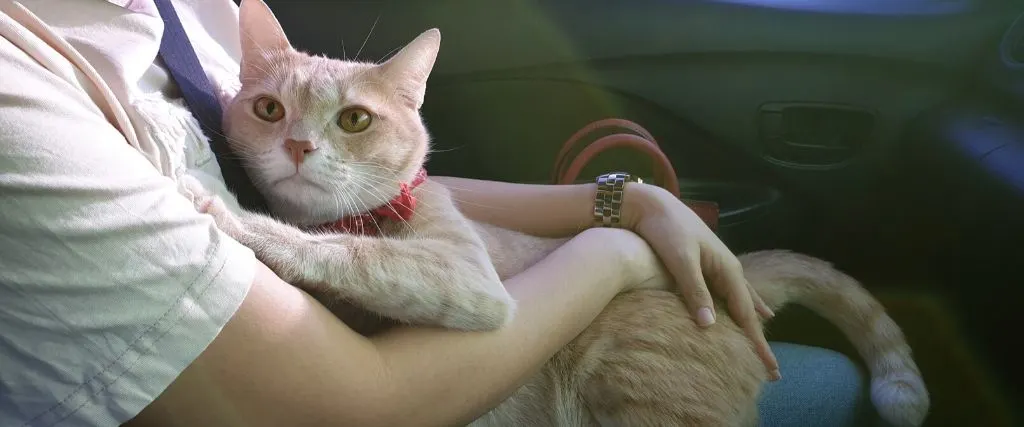

A cat’s broken tail can be painful, stressful, and sometimes serious if not treated promptly. Whether caused by an accident or trauma, tail injuries in cats require careful evaluation and proper care. In this guide, we’ll walk you through the symptoms of a cat tail injury, broken tail treatment options, and what to expect during recovery, so you can help your feline heal safely and comfortably.
What Is a Cat’s Broken Tail?
A broken tail refers to any fracture, dislocation, or severe trauma affecting the bones (vertebrae) in a cat’s tail. Cats rely heavily on their tails for balance, communication, and coordination, so even a minor injury can impact their daily life.
Tail injuries can range from:
- Minor sprains or soft tissue damage
- Dislocations
- Partial fractures
- Severe breaks involving nerve damage
In some cases, a cat tail injury may also affect nearby nerves that control bladder and bowel function, making early veterinary care essential.
Common Causes of Cat Tail Injuries
Cats are agile, but accidents still happen. The most common causes of a cat’s broken tail include:
- Getting the tail caught in doors (a frequent household accident)
- Falls from heights, especially in indoor-outdoor cats
- Car accidents or trauma outdoors
- Rough handling or pulling, particularly in kittens
- Animal attacks or fights
Where many cats roam outdoors or live in busy neighborhoods, tail injuries from vehicles or falls are not uncommon.
Cat Tail Injury Symptoms You Shouldn’t Ignore
Recognizing the early signs of a cat tail injury can prevent complications. Here are the most common symptoms:
Visible Signs:
- A limp or hanging tail
- Swelling or bruising along the tail
- An obvious bend or kink
- Bleeding or open wounds
Behavioral Changes:
- Pain when the tail is touched
- Hiding or decreased activity
- Aggression when handled
- Difficulty sitting or lying down comfortably
Serious Warning Signs:
- Loss of tail movement
- Inability to lift the tail
- Trouble urinating or defecating
These severe symptoms may indicate nerve damage, which requires urgent care and sometimes veterinary surgery.
How Vets Diagnose a Cat’s Broken Tail
If you suspect a cat’s broken tail, a veterinarian will perform a thorough examination. Diagnosis typically involves:
- Physical exam to assess pain, swelling, and mobility
- Neurological assessment to check nerve function
- X-rays to identify fractures or dislocations
In some cases, additional imaging may be needed if nerve involvement is suspected.
At COTA Veterinary in Richmond, advanced diagnostic tools help ensure accurate assessment and appropriate treatment planning.
Broken Tail Treatment Options for Cats
The right broken tail treatment depends on the severity of the injury. Not all tail injuries require surgery, but proper care is critical.
1. Conservative Treatment (Mild Cases)
For minor fractures or sprains:
- Pain medication
- Anti-inflammatory drugs
- Rest and restricted movement
- Monitoring at home
Most mild cat tail injury recovery cases heal within a few weeks with minimal intervention.
2. Splinting or Support
In some cases, a splint may be used to stabilize the tail. However, this is less common because of the tail’s structure and flexibility.
3. Surgical Treatment (Severe Cases)
Severe injuries may require veterinary surgery, especially if there is:
- Crushed or severely fractured bones
- Loss of blood supply
- Nerve damage
- Dead tissue (necrosis)
Surgery often involves partial or full tail amputation, which may sound alarming, but cats typically adapt very well afterward.
What to Expect During Cat Tail Injury Recovery
Recovery from a cat’s broken tail depends on the injury type and treatment method.
Typical Recovery Timeline:
- Mild injuries: 2–4 weeks
- Moderate fractures: 4–6 weeks
- Post-surgery recovery: 2–3 weeks of initial healing
At-Home Care Tips:
- Keep your cat indoors and calm
- Prevent jumping or climbing
- Administer medications as prescribed
- Monitor for swelling, redness, or discharge
- Use an e-collar if advised
Your vet may schedule follow-up visits to ensure proper cat tail injury recovery.
Can a Cat’s Broken Tail Heal on Its Own?
Yes, in some cases, a broken tail can heal without surgery, especially if the fracture is minor and there’s no nerve damage. However, self-healing should never be assumed.
Without proper treatment:
- The tail may heal incorrectly
- Chronic pain can develop
- Mobility issues may persist
Always consult a veterinarian to determine the safest treatment plan.
Long-Term Effects of a Cat Tail Injury
Most cats recover well, but some may experience lasting effects, including:
- Permanent kink or bend in the tail
- Reduced tail movement
- Mild balance changes
- Rarely, ongoing nerve issues
Cats are incredibly adaptable, and even those who undergo tail amputation often return to normal, happy lives.
When to Seek Emergency Veterinary Care
Seek immediate veterinary attention if your cat shows:
- Tail paralysis
- Severe pain or crying
- Bleeding that won’t stop
- Difficulty urinating or defecating
- Signs of infection (pus, swelling, foul odor)
These symptoms may indicate a serious cat tail injury requiring urgent intervention.
Preventing Cat Tail Injuries
While not all accidents can be prevented, you can reduce the risk of a cat’s broken tail by:
- Keeping doors closed gently and checking for your cat
- Supervising outdoor activity
- Providing safe indoor environments
- Avoiding rough play or handling
- Keeping your cat away from aggressive animals
For pet owners, limiting unsupervised outdoor time can significantly lower injury risks.
Conclusion:
A cat’s broken tail may seem minor at first, but it can lead to serious complications if ignored. Early detection, proper diagnosis, and the right broken tail treatment can ensure a smooth and safe recovery. Whether your cat needs veterinary surgery is key to preventing long-term issues.
If you suspect your cat has a tail injury, don’t wait. Schedule an appointment for professional veterinary surgical care at COTA Veterinary to ensure your pet gets the care they need.
FAQs:
Q1: How do I know if my cat’s tail is broken or just sprained?
Ans: A broken tail often shows visible deformity, severe pain, or limpness, while a sprain may cause mild swelling and discomfort without structural changes.
Q2: Can a cat live normally after tail amputation?
Ans: Yes, most cats adapt very well after amputation and continue to live normal, active lives with minimal impact on balance or mobility.
Q3: How long does a cat’s tail injury recovery take?
Ans: Recovery usually takes 2–6 weeks, depending on severity, with surgical cases requiring careful monitoring during the healing process.
Q4: Is a cat tail injury an emergency?
Ans: It can be, especially if there’s paralysis, bleeding, or difficulty urinating, which may indicate nerve damage requiring immediate veterinary care.
Q5: Should I touch or try to fix my cat’s broken tail at home?
Ans: No, handling a suspected broken tail can worsen the injury. Always seek veterinary care for proper diagnosis and safe treatment.