
Early Health Problems Detection With Dog Diagnostics
Diagnostic care for dogs often serves as the starting point in understanding their health. When a dog exhibits unusual behavior or symptoms such as fatigue, loss of appetite, or discomfort, early detection is key. At Care of the Animals, we offer advanced diagnostic services designed to uncover the root cause of any concerns, ensuring the best possible care for your dog. By pinpointing the problem early, we can quickly create a tailored treatment plan to help your dog return to good health.
Richmond features numerous parks and outdoor areas, including the James River Park System, where dogs can enjoy exploring. Yet, frequent outdoor adventures may also increase their exposure to environmental stressors. With our dog diagnostic care in Richmond, you can keep your pet safe and healthy, especially in a city filled with diverse weather and outdoor activities.

Why Diagnostic Testing Is Crucial for Dogs
Dogs tend to hide signs of pain or discomfort, making health issues harder to detect early. Diagnostic tests play a crucial role in revealing these concealed problems before they develop into serious conditions. Early testing enables prompt treatment, increasing the likelihood of quicker recovery and better outcomes. Regular checkups combined with diagnostic procedures offer the best chance for your dog to enjoy a long, healthy life.
Our Diagnostic Services for Dogs
At Care of the Animals, we offer various diagnostic tests that help us assess your dog’s health thoroughly. Our goal is to make the process as smooth as possible and get clear answers quickly so we can move forward with effective treatment. Some of the diagnostic services we offer include:
- Blood, Urine, and Fecal Testing
Routine blood work, urine tests, and fecal analysis allow us to check for infections, parasites, and issues affecting internal organs. Blood tests provide insights into organ function and blood chemistry, while urine tests focus on kidney and bladder health. Fecal tests help us detect intestinal parasites early, preventing discomfort and potential health issues.
- Digital X-Rays
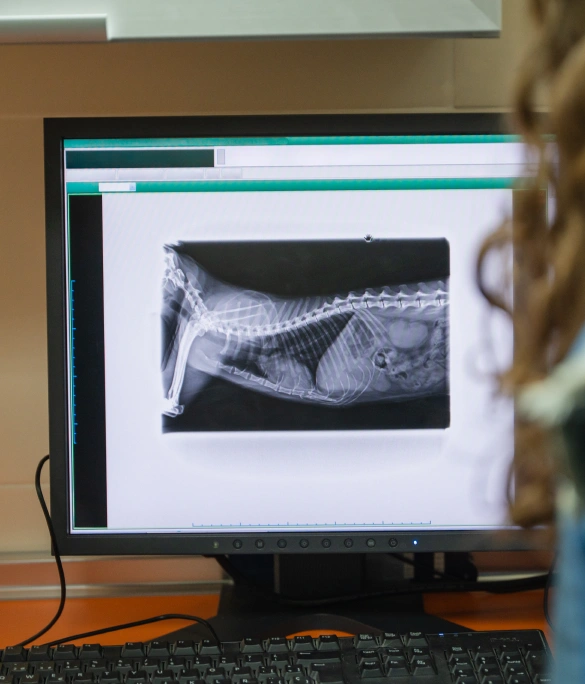
High-quality digital X-rays reveal detailed images of a dog’s internal organs and skeletal structure, aiding in the detection of fractures, tumors, or abnormal growths. Offering a non-invasive approach, this procedure is vital for diagnosing issues ranging from broken bones to obscure dental conditions. It is quick, with images available almost immediately to support swift, informed treatment decisions.
- Ultrasound Imaging
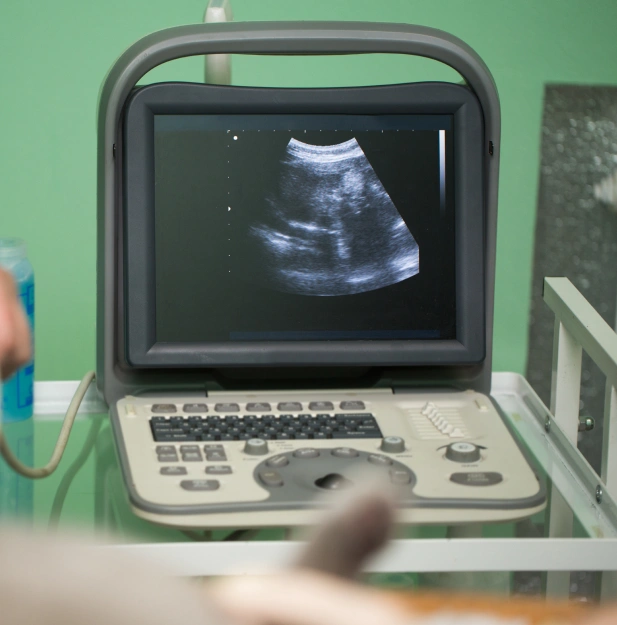
Ultrasound offers a safe and non-invasive way to visualize a dog's internal organs in real time, aiding in the diagnosis of issues such as tumors, bladder stones, or ingested objects without requiring surgery. It serves as a helpful tool for tracking conditions like organ dysfunction, providing critical insights for effective treatment planning.
- Electrocardiography (EKG) and Blood Pressure
An EKG and blood pressure tests are key for assessing your dog’s heart health. These tests allow us to monitor the heart’s rhythm and detect potential issues like arrhythmias, which can lead to more serious complications. Blood pressure testing helps us ensure your dog’s circulatory system is functioning properly.
- Microscopy
Microscopic examinations play a vital role in identifying parasitic infections and other illnesses that affect your dog’s health. By examining skin, ear, or stool samples under a microscope, we can identify hidden issues that might not be visible during a routine exam. - Tonometry (Eye Pressure)
Tonometry helps detect conditions like glaucoma by measuring the pressure inside your dog’s eyes. Early detection of eye issues like glaucoma can prevent painful symptoms and vision loss, which is why this test is so crucial for maintaining eye health.
When Should You Consider Diagnostic Care for Your Dog?
Diagnostic care for dogs becomes important if you notice any of the following symptoms in your dog:
- Unexplained weight changes or loss of appetite
- Vomiting, diarrhea, or digestive problems
- Sudden lethargy or weakness
- Persistent coughing or breathing problems
- Skin rashes, ear infections, or hair loss
- Joint pain or difficulty walking
What to Expect During a Diagnostic Visit
At Care of the Animals, we start by performing a thorough physical exam and reviewing your dog’s medical history. Once we understand your dog’s symptoms, we will recommend the appropriate diagnostic tests. We’ll explain each test to ensure you are fully informed, and we’ll guide you through the process with clear communication. After receiving the test results, we’ll discuss the findings and develop a care plan that suits your dog’s specific needs.
How Diagnostic Testing Supports Long-Term Health
Even when your dog appears healthy, regular diagnostic tests can detect subtle changes before they become serious issues. Preventive testing helps extend your dog’s healthy years, ensuring they can continue to enjoy life. Early detection of problems allows us to treat conditions before they worsen, improving your dog’s quality of life.
Schedule a Dog Diagnostic Appointment in Richmond Now
When it comes to your dog’s well-being, nothing is more important than having accurate, timely information. At Care of the Animals, our dog diagnostic care in Richmond helps you understand your dog’s health status and provides us with the tools we need to develop an effective treatment plan. Whether it’s a routine check-up or diagnostic tests for specific symptoms, our vets near you are here to help your dog live their healthiest, happiest life.
Frequently Asked Questions
