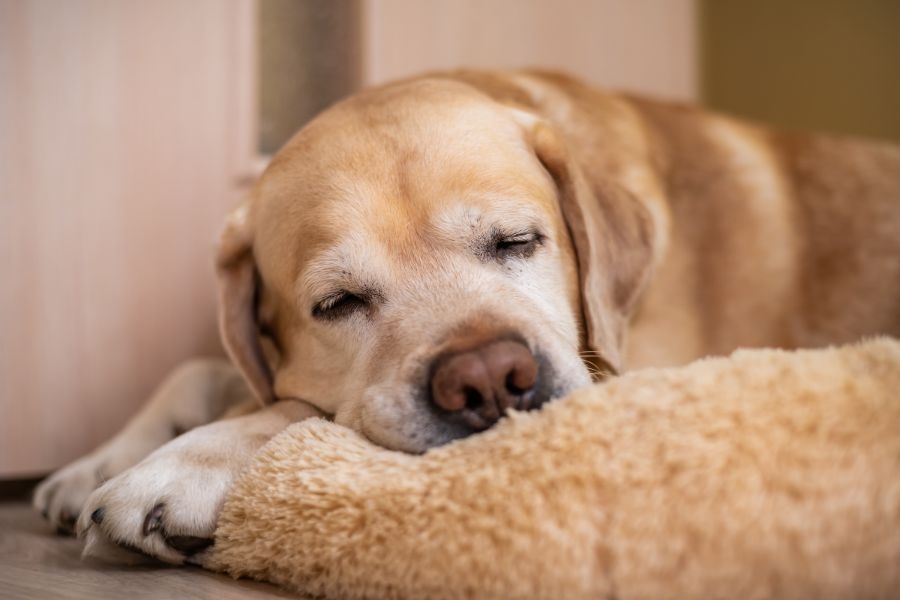
Watching your pet slow down is hard. One day they’re bounding up the stairs. The next, they hesitate at the bottom step and look up at you with uncertain eyes. Pain in senior pets is common, but suffering doesn’t have to be. For pet owners looking for natural pain relief for senior pets, chiropractic care offers a proven, drug-free path to real comfort and improved mobility. It works by addressing the root cause of pain, not just masking the symptoms. This article explains how veterinary chiropractic works, which pets benefit most, what to expect during treatment, and how to know if your senior companion is a good candidate.
What is Chiropractic Care for Senior Pets?
Veterinary chiropractic care restores proper alignment to the spine and joints. When vertebrae shift even slightly out of position, they press on nerves and reduce normal range of motion. Pain follows.
The benefits for senior pets are significant:
- Reduced muscle tension and stiffness
- Improved nerve function throughout the body
- Better balance and coordination
- Increased comfort during everyday movement
- Less reliance on long-term medication
An estimated 80% of dogs over the age of eight show some degree of spinal degeneration. Chiropractic adjustments address that degeneration directly, helping animals move more freely and feel more like themselves again.
Signs Your Senior Pet May Be Living With Pain
Many older pets hide pain well. By the time an owner notices something is wrong, discomfort has often been building for weeks. Knowing the signs of pain in older pets helps you act sooner.
Watch for:
- Reluctance to jump, climb stairs, or rise from lying down: This is often the first visible sign of spinal or joint discomfort.
- Changes in posture: A rounded back, tucked tail, or lowered head can indicate chronic tension.
- Decreased activity or play: A senior pet that suddenly wants less exercise may be hurting, not just slowing down with age.
- Snapping or flinching when touched: Pain sensitivity along the spine or hips is a clear signal something is wrong.
- Muscle loss along the back: Uneven muscle development often reflects how an animal has been compensating for pain.
Pet owners often tell us they thought their dog was “just getting old” when in reality the animal was managing pain every single day. Catching these signs early makes a meaningful difference in how well chiropractic treatment works.
How Veterinary Chiropractic Adjustments Work
Chiropractic care is a hands-on therapy performed by a certified veterinary professional. It involves precise, controlled movements applied to specific joints and vertebrae to restore normal position and motion.
Here is what a typical treatment session looks like:
- Initial assessment: The veterinarian evaluates posture, gait, and spinal range of motion to identify areas of restriction.
- Hands-on examination: Gentle pressure is applied along the spine and limbs to locate joints that are not moving properly.
- Adjustment: A controlled, low-force movement is applied to the affected joint to restore its normal position.
- Post-adjustment evaluation: The veterinarian observes how the pet moves and responds immediately after the treatment.
- Care plan discussion: Frequency of follow-up sessions is determined based on the pet’s age, condition, and response to treatment.
Most pets tolerate adjustments very well. Many relax visibly during treatment. Sessions are typically brief, and the majority of animals show improvement within a few visits.
Why Senior Pets in Virginia Benefit From Integrative Care
Virginia’s climate brings real seasonal variation, and those changes affect senior pets more than younger ones. Cold and damp conditions during fall and winter can increase joint stiffness and discomfort in aging animals. Chiropractic care is particularly well-suited to addressing the kind of low-grade, chronic pain that builds quietly over time in these conditions.
One of the most common misconceptions we hear from pet owners is that chiropractic care is only for dogs with obvious injuries or conditions like intervertebral disc disease. In practice, chiropractic for aging dogs is beneficial even for pets without a specific diagnosis. Normal wear and tear on the spine creates restrictions that respond well to regular adjustments.
Pet chiropractic care is also a strong complement to other treatments. Pets receiving chiropractic alongside traditional medical care often require lower medication doses over time. That means fewer side effects and a better overall quality of life.
Dr. Alyssa N. Fenton, DVM, cAVCA, certified in veterinary chiropractic through the American Veterinary Chiropractic Association, has observed this consistently in senior patients across Richmond. “Many of the senior pets we see have been quietly compensating for spinal restrictions for months,” she notes. “After just a few adjustments, owners frequently tell us their pet is moving and acting like a younger version of themselves.”
Choosing the Right Veterinarian for Senior Pet Chiropractic Care
Not every practice offers veterinary chiropractic, and certification matters. Look for a veterinarian who holds credentials from the American Veterinary Chiropractic Association. AVCA-certified practitioners have completed specialized postgraduate training in animal chiropractic technique, anatomy, and case management.
It is also worth asking whether the practice takes an integrative approach. The best outcomes for senior pets typically come from combining chiropractic adjustments with wellness exams, diagnostics, and any other care the pet needs. A clinic that sees the whole animal, not just the spine, will build a more effective plan.
Senior pet mobility problems respond best when addressed early and consistently. A brief evaluation is all it takes to determine whether chiropractic is the right fit for your pet. At COTA Veterinary, Dr. Fenton brings nearly two decades of clinical experience and AVCA certification to every chiropractic evaluation, providing Richmond pet owners with integrative, compassionate care for their senior companions.
Keeping Your Senior Pet Moving
Chiropractic adjustments work best when paired with supportive home care. A few simple habits can help your senior pet hold their adjustments longer and stay more comfortable between visits.
- Provide orthopedic bedding: Firm, supportive surfaces reduce joint stress during rest.
- Keep a consistent, gentle exercise routine: Short, daily walks maintain muscle tone without overloading the spine.
- Watch for changes after each session: Note any shifts in how your pet moves, rests, or behaves. Share those observations with your vet.
- Avoid sudden bursts of high-impact activity: Fetch, jumping, and rough play can undo progress between adjustments.
We frequently remind our clients that home care is not optional. It is part of the treatment. The adjustment corrects the restriction. Consistent, low-impact activity and proper rest keep the correction in place longer.
Senior pets deserve every tool available to live comfortably. Chiropractic is one of the most effective and gentle options out there. If your aging companion is showing signs of stiffness, reluctance to move, or quiet discomfort, talk to your veterinarian about whether an adjustment could help. Natural pain relief for senior pets is not just possible. It is within reach. The team at COTA Veterinary is here to help your pet feel better and move freely again. Book an appointment today.
Frequently Asked Questions
Q: What does a veterinary chiropractor do for senior dogs?
Ans: A veterinary chiropractor applies controlled, gentle adjustments to the spine and joints to restore normal alignment and range of motion. For senior dogs, this helps relieve pain, reduce stiffness, and improve mobility without relying solely on medication.
Q: How do I know if my older cat or dog needs chiropractic care?
Ans: Common signs include reluctance to climb stairs or jump, changes in posture, muscle loss along the back, decreased activity, and sensitivity when touched along the spine. If your pet shows any of these signs, a chiropractic evaluation is worth discussing with your veterinarian.
Q: Is chiropractic care safe for senior pets?
Ans: Yes. Veterinary chiropractic performed by a certified practitioner is a low-risk, non-invasive therapy. Most senior pets tolerate adjustments well and show visible relaxation during treatment.
Q: How many chiropractic sessions does a senior pet typically need?
Ans: The number of sessions varies based on your pet’s age, condition, and how long the problem has been present. Many pets show improvement within two to four visits. Your veterinarian will recommend a care plan tailored to your pet’s specific needs.
Q: Can chiropractic care be combined with other veterinary treatments?
Ans: Yes, and it often should be. Chiropractic works well alongside traditional veterinary medicine, pain management protocols, and physical rehabilitation. An integrative approach typically produces the best results for senior pets managing chronic pain or mobility issues.