
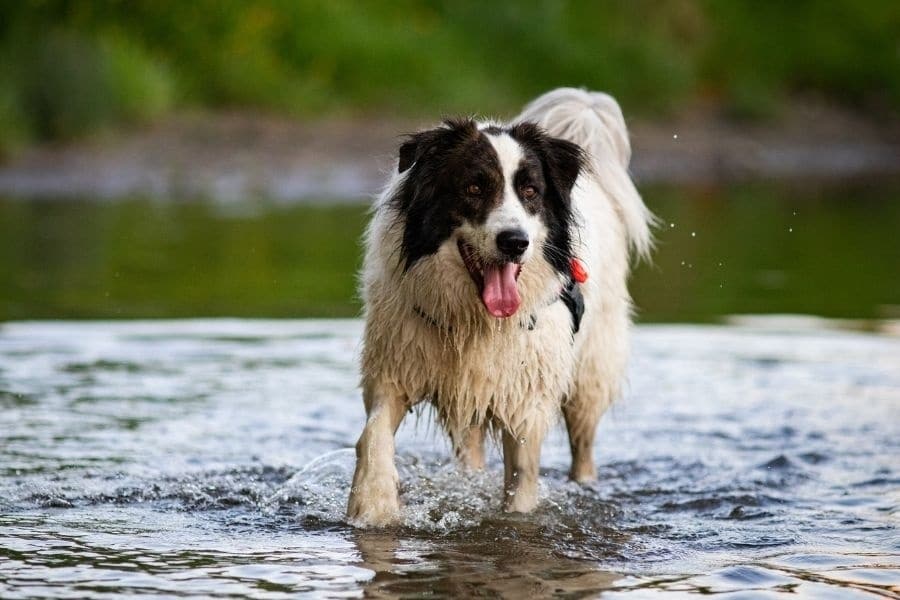
Every summer, dogs across the country wade into ponds, lakes, and slow-moving waterways, and some never come home. Blue-green algae dogs encounter during warm months can produce toxins powerful enough to cause liver failure, seizures, and death within hours. The danger is real, and it is closer than most pet owners realize. Many lakes and ponds throughout Virginia develop algae blooms during summer heat, and the signs are easy to miss. This article explains what blue-green algae is, how to recognize poisoning in your dog, and exactly what to do if you suspect your pet has been exposed. The faster you act, the better your dog’s chances of survival.
The Truth About Blue-Green Algae and Why It Is So Dangerous
Blue-green algae is not actually algae. It is a type of bacteria called cyanobacteria that forms thick, paint-like blooms on the surface of still or slow-moving water. These blooms thrive in warm, nutrient-rich water, especially during hot summer months.
Not every bloom produces toxins. But the ones that do can be deadly fast. Cyanobacteria can release two primary types of toxins: hepatotoxins, which attack the liver, and neurotoxins, which affect the nervous system. A dog does not need to drink large amounts of contaminated water to be in danger. Licking wet fur after a swim is enough in some cases.
Algae poisoning in dogs is more common than most people expect. Blooms can appear overnight, and they often look like green or blue-green scum, foam, or floating mats on the water’s surface. Some blooms smell musty or like rotting plants. Others have no noticeable odor at all.
In Virginia, warm summers and standing water in parks, ponds, and suburban lakes create ideal conditions for these blooms to develop. Pet owners often assume that if the water looks clean enough for swimming, it is safe for their dog.
What Does Blue-Green Algae Poisoning Look Like in Dogs?
Blue-green algae poisoning in dogs can cause symptoms within 15 minutes to a few hours after exposure. The most common early signs include vomiting, diarrhea, extreme weakness, and excessive drooling.
Neurotoxin exposure moves faster. Dogs may develop muscle tremors, seizures, difficulty breathing, and paralysis. Hepatotoxin exposure tends to take slightly longer, but signs of jaundice, pale gums, and abdominal swelling may follow within 24 to 72 hours. Both forms require immediate veterinary attention.
Watch for these toxic algae dog symptoms after any water exposure:
- Vomiting or diarrhea — often begins within 30 to 60 minutes and may be severe
- Excessive drooling or foaming at the mouth — an early sign of neurotoxin exposure
- Muscle tremors or seizures — signal rapid nervous system involvement
- Weakness or collapse — the dog may not be able to stand or walk
- Yellowing of the eyes, gums, or skin — indicates liver damage from hepatotoxins
- Difficulty breathing — may indicate respiratory involvement in neurotoxin cases
In our experience, pet owners who see these signs after water activity sometimes wait to see if their dog improves on its own. That wait can cost a dog its life. If your dog was near any body of water and is showing even one of these signs, contact a veterinarian without delay.
Why Some Dogs Are Exposed Before Owners Realize the Risk
A common misconception is that blue-green algae blooms are easy to spot and avoid. In reality, blooms can be patchy, concentrated in one area of a lake while the rest looks clean. Wind can push surface blooms to one shoreline and away from another within hours.
Dogs are also more vulnerable to exposure because of their behavior near water. They wade in without hesitation, swim through surface blooms, and then lick their coats dry. A dog can ingest a significant amount of toxin just from grooming after a swim in contaminated water.
In Virginia, conditions tend to worsen from late June through September. Nutrient runoff from rain events can fuel rapid bloom development. Many pet owners in Richmond bring dogs to area lakes and reservoirs during these peak summer months, which is exactly when the risk is highest.
Breed and size do not determine risk. Small and large dogs alike have died from cyanotoxin exposure. Puppies and senior dogs may show faster or more severe reactions due to lower body weight or compromised liver function.
How Vets Diagnose and Treat Blue-Green Algae Poisoning
There is no single definitive test that can confirm cyanotoxin exposure at the time of a clinic visit. Diagnosis is typically based on a combination of clinical signs, recent water exposure history, and bloodwork that shows liver enzyme elevations or neurological changes.
Treatment focuses on stabilizing the dog and supporting organ function. Your veterinarian will move through these steps:
- Decontamination — if exposure was very recent, the vet may induce vomiting or administer activated charcoal to reduce further toxin absorption
- IV fluid therapy — to support kidney and liver function and maintain hydration
- Seizure management — anticonvulsant medications are given if neurological signs are present
- Liver support medications — to help reduce hepatic damage and support recovery
- Monitoring bloodwork — repeated testing to track organ function over the following 24 to 72 hours
There is no antidote for cyanotoxin poisoning. Speed of treatment is the most critical factor in survival. The sooner a dog receives veterinary care for dogs showing these signs, the better the prognosis.
Pet owners often ask us whether a dog can recover fully from algae poisoning. Recovery depends on the type and amount of toxin ingested, how quickly treatment began, and the dog’s overall health going in. Some dogs recover fully with aggressive treatment. Others do not survive despite the best care, which is why prevention is so important.
Practical Steps to Keep Your Dog Safe Around Water
The best way to protect your dog from blue-green algae poisoning is to know what to look for and make conservative decisions at the water’s edge.
Follow these dog water safety tips every time you take your dog near a lake, pond, or river:
- Check water before letting your dog in. Look for green, blue-green, or brown scum on the surface. Foam, mats, or a paint-like sheen are warning signs.
- Look for posted signs. Health departments and parks departments in Virginia post warnings when blooms are confirmed. Always respect those signs.
- Rinse your dog immediately after any swim. Use clean water to wash off any residue before your dog has a chance to groom itself.
- Do not let your dog drink from lakes, ponds, or slow-moving streams. Bring fresh water on every outing.
- When in doubt, stay out. If the water looks murky, smells off, or has any discoloration near the shore, keep your dog on the leash and move away from the water.
We frequently remind our clients in Richmond that even familiar ponds can change overnight during summer heat. A lake your dog has swum in safely for years can develop a dangerous bloom within 48 hours under the right conditions.
COTA Veterinary is here to support you and your dog through every season. If you ever notice anything unusual after an outdoor outing, do not wait to reach out to our team.
Conclusion
Blue-green algae dogs encounter during summer outings poses a serious and fast-moving threat. Knowing the signs of toxic algae dog symptoms, understanding how exposure happens, and acting immediately can make the difference between life and death. Keep your dog away from water that looks discolored, foamy, or has a foul smell. Rinse them off after any swim, and never allow them to drink from standing water. If you ever suspect your dog has been exposed, seek veterinary care for dogs right away. Do not wait for symptoms to worsen. The team at COTA Veterinary is ready to help with expert, compassionate care for your pet. Book an appointment today.
Frequently Asked Questions
Q: Can blue-green algae kill a dog?
Ans: Yes. Blue-green algae can be fatal to dogs. Certain cyanobacteria produce toxins that can cause liver failure, seizures, or respiratory failure within hours of exposure. Immediate veterinary attention is critical if you suspect your dog has been in contact with contaminated water.
Q: What does blue-green algae look like in water?
Ans: Blue-green algae blooms typically appear as green, blue-green, or brownish scum on the surface of still water. They may look like spilled paint, foam, or floating mats of debris. Some blooms have a musty or foul smell, but others have no odor at all.
Q: How quickly do symptoms of algae poisoning appear in dogs?
Ans: Symptoms can appear in as little as 15 minutes after exposure in cases involving neurotoxins. Liver-related symptoms from hepatotoxins may develop more gradually over 24 to 72 hours. Any dog showing signs after water exposure should be seen by a vet immediately.
Q: Is there a treatment for blue-green algae poisoning in dogs?
Ans: There is no antidote for cyanotoxin poisoning. Treatment focuses on decontamination, IV fluids, seizure control, and liver support. The sooner a dog receives treatment after exposure, the better the chances of survival.
Q: How do I know if a lake is safe for my dog to swim in?
Ans: Look for any signs of green or blue-green scum, foam, or discoloration on the water’s surface. Check for posted health department warnings before allowing your dog near the water. If anything looks off, keep your dog away from the water entirely and bring fresh drinking water from home.