When your furry friend comes home after surgery, proper care is crucial for a smooth recovery. Post-surgery care helps prevent complications, reduces pain, and speeds up healing. In this guide, we’ll cover everything you need to know about pet surgery care, from managing wounds to supporting your pet’s comfort and mobility after surgery.
Understanding Post-Op Pet Care
Post-op care focuses on following a surgical procedure. Both dogs and cats may experience discomfort, limited mobility, or stress. Recognizing the signs of a healthy recovery versus potential complications is essential.
Key elements of post-op care include:
- Monitoring vital signs such as temperature, appetite, and hydration
- Managing pain and administering prescribed medications
- Keeping the surgical site clean and protected
- Ensuring proper nutrition and rest
Common Signs Your Pet Needs Extra Attention
Knowing when to call your veterinarian can prevent complications. Watch for these dog surgery aftercare and cat surgery recovery warning signs:
- Persistent vomiting or diarrhea
- Lethargy or weakness beyond normal recovery
- Swelling, redness, or discharge at the incision site
- Excessive licking or biting at the wound
- Difficulty walking or sudden changes in behavior
Caring for the Surgical Wound
A surgical incision requires careful attention to avoid infection and promote healing.
Tips for incision care:
- Keep it clean and dry: Avoid bathing your pet until the vet approves.
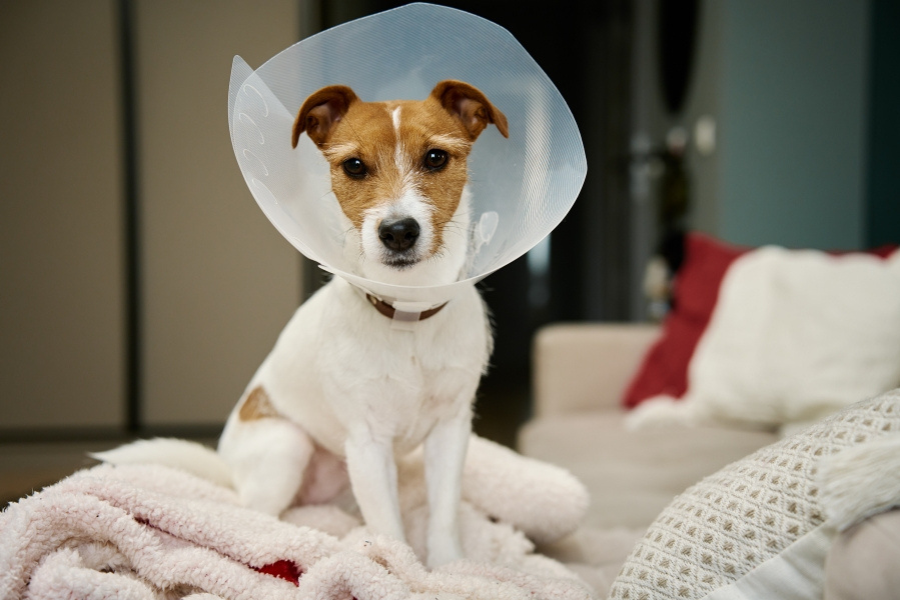
- Prevent licking: Use an Elizabethan collar or surgical suit.
- Monitor for infection: Redness, swelling, or foul odor should prompt an immediate call to your pet surgery hospital in Richmond.
- Follow dressing instructions: Some surgeries may require bandages that need changing as instructed.
Managing Pain and Medications
Pain management is critical for recovery. Your veterinarian may prescribe painkillers or anti-inflammatory medications.
Tips for safe medication administration:
- Stick to the prescribed schedule; do not skip or double doses
- Never give human medications unless approved by your vet
- Watch for side effects like vomiting, diarrhea, or unusual behavior
Proper pain control helps your pet rest comfortably and promotes faster healing.
Supporting Mobility and Activity
Pets recovering from surgery often have restricted activity. Overexertion can lead to complications or delayed healing.
Mobility tips:
- Confine your pet to a small, safe space or crate
- Use ramps for stairs or furniture access if needed
- Encourage short, gentle walks as recommended by the vet
- Avoid rough play or jumping until cleared by the veterinarian
Nutrition and Hydration During Recovery
Good nutrition supports the healing process. Post-op pets may have reduced appetite or temporary dietary restrictions.
Nutrition tips:
- Offer small, frequent meals of easily digestible food
- Ensure constant access to fresh water
- Ask your veterinarian about supplements if needed
- Monitor weight and appetite changes
Mental and Emotional Care
Recovery isn’t just physical—pets need emotional support too. Surgery and confinement can cause stress or anxiety.
Ways to provide comfort:
- Spend quality time with gentle petting and attention
- Keep their environment quiet and stress-free
- Provide familiar bedding, toys, or blankets
- Consider calming pheromone diffusers for anxious pets
Follow-Up Veterinary Visits
Scheduled checkups are essential to ensure proper healing. The vet may remove stitches, monitor progress, and adjust medications.
Key follow-up tips:
- Keep all appointments as advised
- Report any unusual behavior or symptoms immediately
- Maintain a recovery log to track food intake, wound condition, and activity
Caring for your pet after surgery requires diligence, patience, and compassion. By following these post-op pet care tips, you can ensure a smooth recovery for your dog or cat. Remember, early attention to signs of distress can prevent complications and improve healing outcomes.
If you are conveniently located in Richmond and searching for the best pet surgery hospital near me, COTA Veterinary is the right choice for compassionate, advanced, and reliable care.
FAQs
Q1: How long does it take for a pet to recover from surgery?
Ans: Recovery time depends on the procedure, but most pets need 1–3 weeks for full healing, with restricted activity during this period.
Q2: Can my pet eat normally after surgery?
Ans: Pets may have a reduced appetite initially. Offer small, easily digestible meals and consult your vet about dietary adjustments.
Q3: How do I prevent my pet from licking their surgical site?
Ans: Use an Elizabethan collar, surgical suit, or close supervision to keep your pet from licking or biting the wound.
Q4: When should I contact the vet after surgery?
Ans: Call your vet if you notice swelling, redness, discharge, persistent vomiting, or abnormal behavior in your pet.
Q5: Is it safe to give my pet human pain medication?
Ans: No, human medications can be toxic to pets. Only give prescribed veterinary medications according to instructions.