
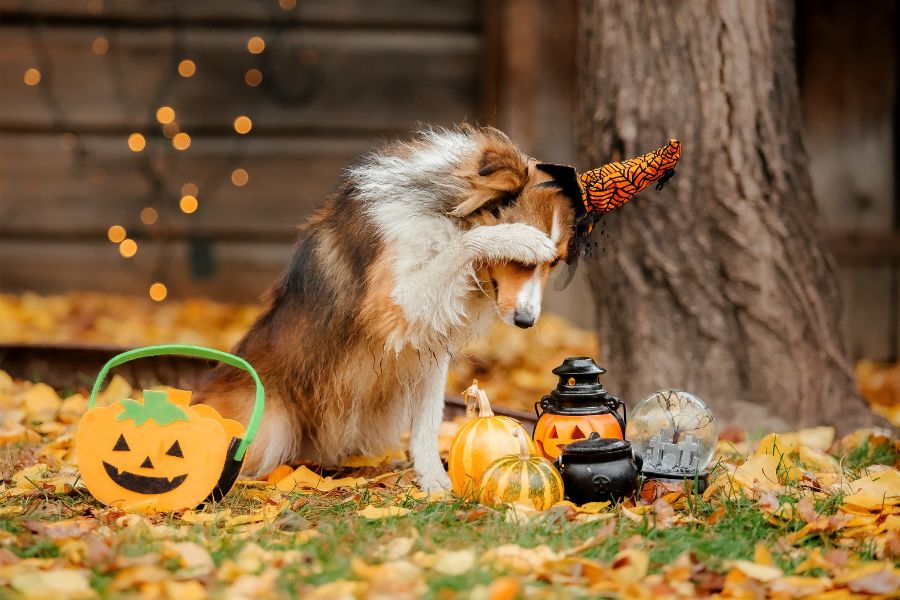
Halloween is a fun time for costumes, decorations, and treats—but it can also pose hidden dangers for pets. Many popular Halloween plants and flowers are toxic to cats and dogs, leading to serious health risks. This guide covers everything you need to know about Halloween pet safety, from identifying toxic plants to choosing safe floral decorations for your furry friends. By following these tips, you can celebrate the holiday without worrying about pet poisoning.
Common Toxic Plants to Keep Away from Pets
Halloween decorations often feature plants that are beautiful but dangerous for pets. Some of the most common toxic plants include:
- Poinsettias – Can cause mild irritation to the mouth and stomach if ingested.
- Mums (Chrysanthemums) – May trigger vomiting, diarrhea, or drooling.
- Lilies – Extremely toxic to cats, causing kidney failure even in small amounts.
- Autumn Crocus – Can cause severe gastrointestinal distress and organ damage.
- Holly and Mistletoe – Lead to vomiting, diarrhea, and heart rhythm problems.
Tip: Even dried versions of these plants can be harmful, so keep them out of reach of curious paws.
Pet-Safe Flowers and Plants for Halloween
If you want to decorate without endangering your pets, consider these safe alternatives:
- Marigolds – Non-toxic and add bright, festive color.
- Snapdragons – Safe for both cats and dogs.
- Roses – Pet-friendly and elegant for any arrangement.
- Sunflowers – Vibrant and non-toxic to pets.
- Ornamental Gourds and Pumpkins – Perfect for a Halloween theme and safe if chewed in small amounts.
Using pet-safe plants ensures your home remains festive without risking your pet’s health.
Tips for Preventing Pet Poisoning During Halloween
Even safe flowers aren’t foolproof if pets ingest too much. Here’s how to minimize risks:
- Keep Plants Out of Reach – Place arrangements on high shelves or behind barriers.
- Supervise Outdoor Decorations – Pets may chew on outdoor flowers or pumpkins.
- Avoid Candies and Chocolate – Chocolate, xylitol, and candy wrappers are highly toxic.
- Educate Guests – Remind visitors not to feed pets human treats.
- Know Emergency Numbers – Have your veterinary clinic in Richmond contact handy for poisoning emergencies.
Recognizing Symptoms of Plant Poisoning in Pets
Quick detection is crucial. Watch for these signs if your pet comes into contact with toxic plants:
- Vomiting or diarrhea
- Drooling or foaming at the mouth
- Lethargy or weakness
- Loss of appetite
- Difficulty breathing or abnormal heart rhythms
If any of these symptoms appear, contact a veterinary clinic in Richmond immediately. Early intervention can prevent serious complications.
Safe Halloween Practices for Cats and Dogs
Along with plant safety, consider these precautions for a pet-friendly Halloween:
- Costume Safety: Avoid costumes that restrict movement, cover eyes, or pose choking hazards.
- Candy-Free Trick-or-Treating: Use pet treats instead of human candy.
- Create a Quiet Space: Loud noises and doorbell traffic can stress pets; provide a calm retreat.
- Decorate Responsibly: Avoid small decorative items that pets could swallow.
These practices, combined with toxic plant awareness, create a safe Halloween environment for your pets.
Role of Your Nearest Veterinary Clinic
A veterinary clinic near you can guide you on seasonal pet safety, recommend safe plants, and offer emergency care for accidental ingestion of toxic flowers. Routine checkups and preventive advice ensure your pet stays healthy during Halloween and beyond.
Halloween can be a fun and safe time for your pets if you plan carefully. By avoiding toxic plants, choosing pet-safe flowers, and following simple preventive tips, you can enjoy the festivities without worry. Keep your furry friends protected and consult your veterinary clinic in Richmond for advice tailored to your pet’s needs.
FAQs
Q1: What are the most toxic plants for cats during Halloween?
Ans: Lilies, holly, mistletoe, and chrysanthemums are highly toxic to cats and should always be avoided.
Q2: Can dogs safely be around pumpkins and marigolds?
Ans: Yes, both pumpkins and marigolds are non-toxic and safe for dogs if ingested in small amounts.
Q3: How can I prevent my pet from chewing Halloween decorations?
Ans: Keep decorations out of reach, supervise pets, and provide pet-friendly alternatives to chew.
Q4: What should I do if my pet eats a toxic plant?
Ans: Contact your veterinary clinic immediately for emergency treatment to prevent serious health risks.
Q5: Are artificial flowers safer than real ones for pets?
Ans: Artificial flowers can be safer but ensure they are non-toxic and too large to swallow, as small parts can still pose choking hazards.