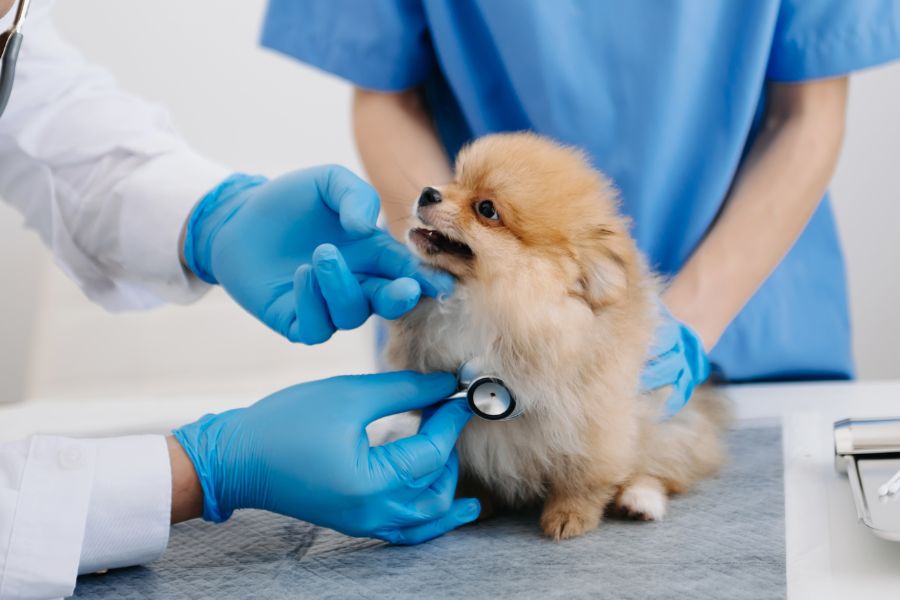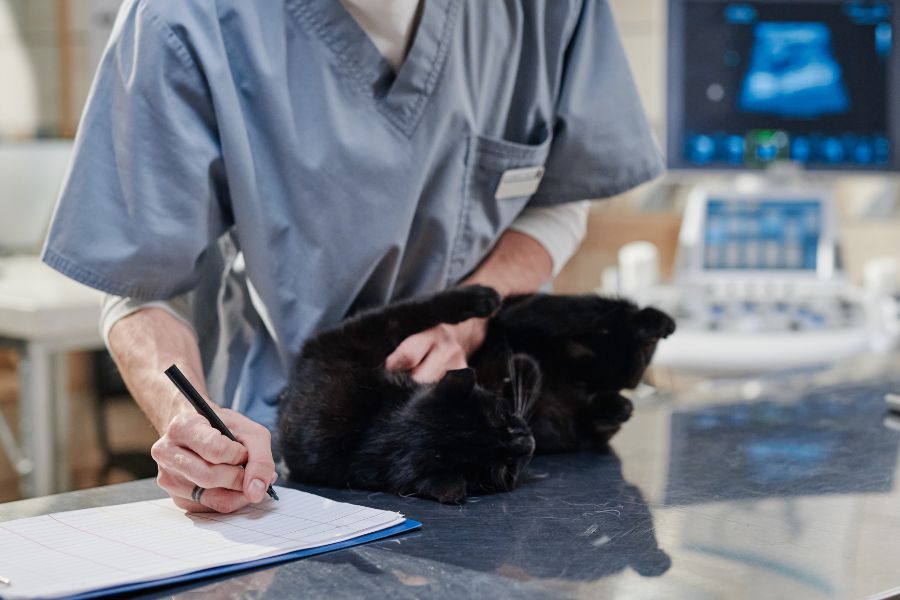

Heartworm disease is caused by the parasitic worm Dirofilaria immitis, transmitted through mosquito bites. Once infected, adult worms can settle in the heart, lungs, and surrounding blood vessels, leading to severe and often long-term damage. Both dogs and cats are susceptible, though the disease affects each species differently.
Understanding Heartworm Disease

Heartworm disease is caused by the parasitic worm Dirofilarial imcites, transmitted through mosquito bites. Infected animals harbor adult worms in their hearts and lungs, leading to critical damage over time. Both dogs and cats are vulnerable, though the disease presents differently in each.
Risks to Dogs
Dogs are natural hosts for heartworms, making them especially vulnerable. As the infection progresses, it can obstruct blood flow and damage vital organs.
Common symptoms in dogs include:
- Persistent coughing
- Lethargy
- Weight loss
- Difficulty breathing
Without timely intervention, the disease may lead to fainting, heart failure, or even death. Your local veterinarian plays a crucial role in diagnosing and managing heartworm disease early, giving dogs the best chance at a healthy recovery.
Risks to Cats
Cats, although atypical hosts, can still experience serious health complications from heartworm disease. Even a single worm can cause significant respiratory distress.
Potential symptoms in cats include:
- Coughing
- Vomiting
- Breathing difficulties
- Sudden collapse
Heartworm disease can also contribute to feline asthma. Because there is no approved treatment for heartworm infection in cats, your trusted veterinary professionals in Richmond emphasize prevention and early detection as the best forms of protection.
Prevention is Crucial
Preventing heartworm disease is far easier, safer, and more cost-effective than treating it. Options for dogs and cats include:
- Monthly oral preventatives
- Monthly topical solutions
- Long-lasting injectable preventatives (for dogs)
Our pet care experts can recommend the most appropriate prevention plan based on your pet’s lifestyle, health status, and level of exposure to mosquitoes.
The Importance of Regular Testing
Even pets on prevention need routine heartworm testing. Missed or late doses, vomiting medication, or unknown gaps in protection can leave pets vulnerable. Annual testing recommended by your nearest veterinary clinic in Richmond ensures early detection and better outcomes if heartworms are present.
Treatment Strategies
For dogs, heartworm treatment may involve:
- Pretreatment staging
- A series of injections to eliminate adult worms
- Strict exercise restriction throughout recovery
For cats, there is currently no safe treatment for eliminating mature heartworms. This makes prevention, guided by your veterinarian, the most critical step in keeping cats healthy.
Pet Owner Responsibilities
Pet owners play a key role in preventing heartworm disease. Essential steps include:
- Following veterinary recommendations for year-round prevention
- Scheduling regular check-ups and heartworm tests
- Reducing exposure to mosquitoes whenever possible
Heartworm disease is a significant concern for pets in Virginia. With consistent prevention, routine testing, and prompt veterinary care supported by our veterinary team, you can keep your dogs and cats protected throughout the year.