Good dental hygiene is essential for your pet’s long-term health, but many pet owners aren’t sure how often to brush their dog or cat’s teeth. In this guide, we’ll break down how frequently you should brush your pet’s teeth, why it matters, and how to make the process easy and stress-free. Whether you’re new to pet dental care or looking to improve your routine, this article will help you confidently manage brushing your dog’s teeth or follow a reliable cat dental brushing guide to protect your pet’s oral health.
How Often Should You Brush Your Pet’s Teeth?
For optimal pet dental care, veterinarians recommend brushing your pet’s teeth once daily. Just like humans, pets develop plaque every day, and when it’s not removed, it turns into tartar that causes gum disease, bad breath, and painful dental infections.
If daily brushing isn’t possible, aim for 4–5 times per week. Consistency matters more than perfection — even moderate brushing can significantly reduce dental issues.
Why Daily Brushing Helps
- Removes soft plaque before it hardens
- Prevents tartar buildup and gingivitis
- Reduces bacteria that cause bad breath
- Lowers risk of tooth decay and painful abscesses
- Helps pets adjust to routine mouth handling
Daily brushing is especially important for small-breed dogs and cats, which tend to develop dental disease faster due to the shape of their mouths.
Signs Your Pet Needs More Frequent Brushing
If your pet shows any of the following symptoms, you may need to increase brushing frequency or schedule a dental exam:
- Persistent bad breath
- Yellow or brown tartar on the teeth
- Red or swollen gums
- Drooling more than usual
- Pawing at the mouth
- Difficulty chewing or dropping food
- Bleeding from the gums
- Changes in eating behavior
These symptoms may indicate early or advanced periodontal disease. Early detection makes treatment easier and far less expensive.
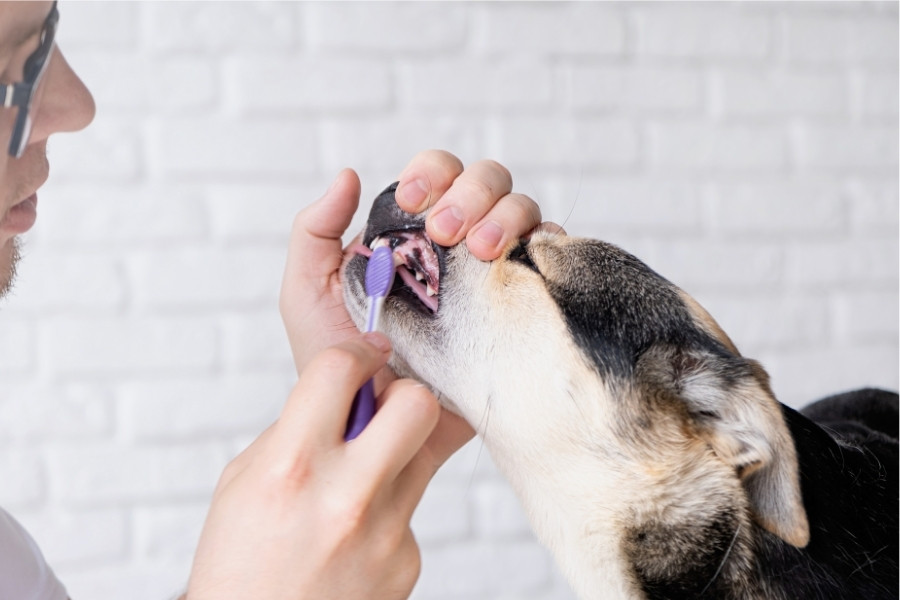
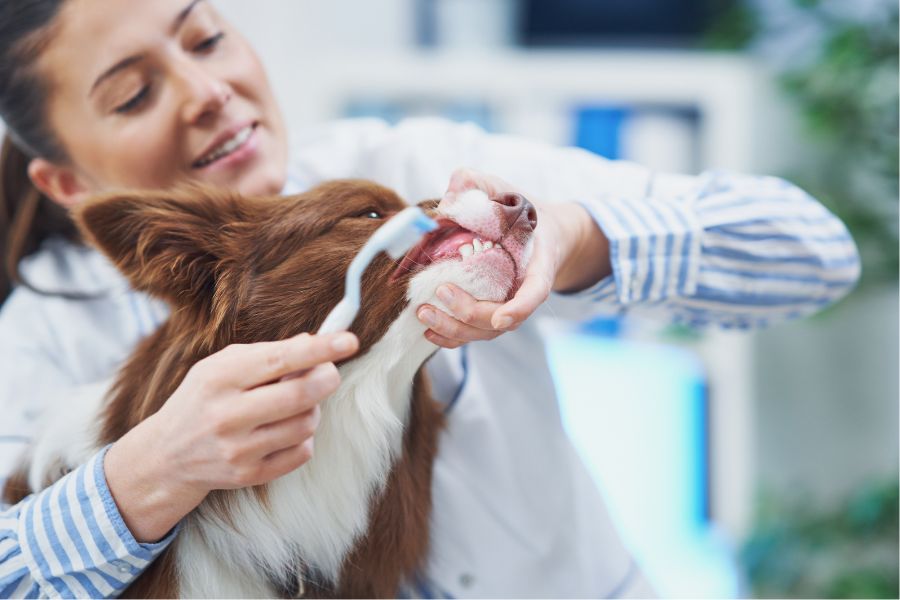
How to Brush Your Dog’s Teeth the Right Way
Brushing a dog’s teeth doesn’t have to be difficult. With the right approach, most dogs learn to tolerate, and even enjoy, tooth brushing.
Step-by-Step Dog Dental Brushing Guide
- Choose a pet-safe toothpaste.
Never use human toothpaste, as it contains ingredients toxic to dogs. - Pick a soft-bristled toothbrush or finger brush.
Finger brushes often work best for beginners. - Start slowly.
Introduce brushing by letting your dog lick the toothpaste first. - Lift the lips and brush gently.
Use circular motions along the gumline. - Focus on the outer surfaces.
These areas collect the most plaque. - Reward your dog afterward.
Treats and positive praise help build trust.
How Long Should a Brushing Session Last?
About 30–60 seconds is enough to cover most of the teeth. A quick daily brush is better than a long, stressful one.
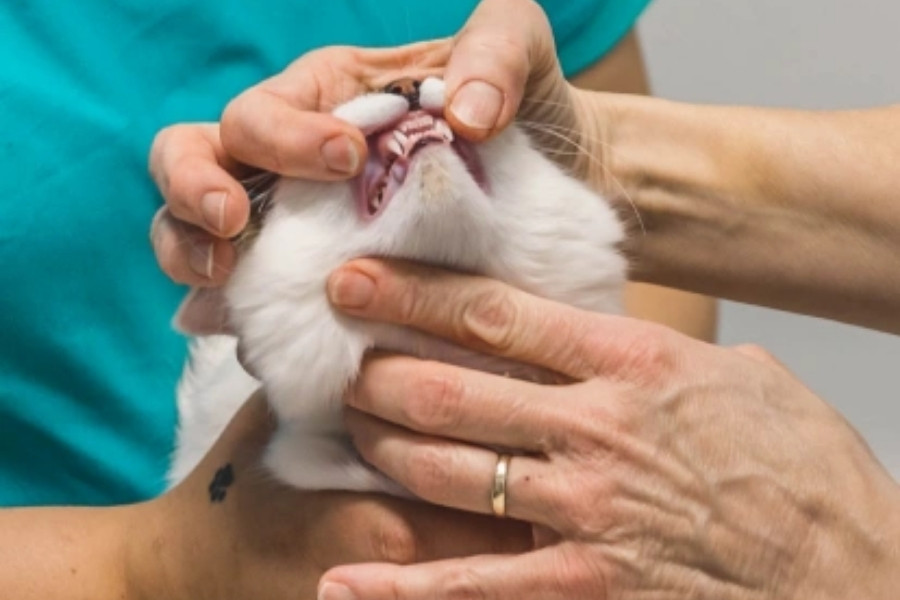
Cat Dental Brushing Guide: Tips for Success
Cats are more sensitive to mouth handling than dogs, so introducing brushing gradually is key.
How to Brush Your Cat’s Teeth
- Start by gently touching your cat’s face and lips.
- Use a finger brush or a tiny, cat-specific toothbrush.
- Apply a pea-sized amount of tuna- or chicken-flavored pet toothpaste.
- Brush in short, gentle strokes.
- Focus on back teeth, where plaque builds fastest.
- Keep sessions short and calm.
Helpful Tips to Keep Cats Comfortable
- Choose a quiet environment
- Brush when your cat is relaxed (after meals or naps)
- Offer verbal praise or a treat afterward
- Never force brushing — use slow progression
Even brushing 3–4 times per week can significantly improve your cat’s oral health.
What If Your Pet Won’t Let You Brush Their Teeth?
If brushing is difficult, don’t panic; some alternatives still support good pet dental care:
Effective Dental Care Alternatives
- Veterinary-recommended dental chews
- Dental gels and water additives
- Prescription dental diets
- Rubber chew toys are designed to reduce plaque
- Dental wipes for pets who won’t accept a toothbrush
These tools do not replace brushing but can help reduce tartar and freshen breath.
Why Professional Pet Dentistry Is Still Important
Even with consistent brushing, pets still need professional dental cleanings.
A veterinary dental cleaning includes:
- Full oral exam
- Removal of tartar above and below the gumline
- Dental X-rays to detect hidden disease
- Polishing to prevent future plaque buildup
Pets typically need professional cleanings once a year, though small dogs, brachycephalic breeds (like bulldogs), and older cats may need them every 6–9 months.
Ignoring professional cleanings can result in:
- Painful tooth infections
- Bone loss
- Gum disease
- Expensive extractions
- Bacteria that can affect heart, kidney, and liver health
How to Make Brushing a Long-Term Habit
Consistency comes down to routine and patience. Use these tips to make brushing easier:
Build a Healthy Dental Routine
- Brush at the same time each day
- Use positive reinforcement
- Keep supplies in an easy-to-access area
- Start with short sessions and gradually increase
- Stay patient — pets learn at their own pace
Brushing your pet’s teeth is one of the most effective ways to prevent dental disease, bad breath, and painful oral conditions. Aim for daily brushing, or at least several times a week, to keep plaque under control. Combine at-home care with professional veterinary cleanings to maintain your pet’s long-term dental health.
If you are conveniently located in Richmond, VA, and looking for pet dentistry near me, COTA Veterinary is the trusted choice for gentle, modern, and dependable pet care.
FAQs
Q1: How often should I brush my dog’s teeth for the best results?
Ans: Brush your dog’s teeth daily for optimal dental health. If that’s not possible, aim for at least 4–5 times per week.
Q2: At what age should I start brushing my pet’s teeth?
Ans: You can begin brushing as early as puppyhood or kittenhood, around 8–12 weeks, to build positive habits early.
Q3: Are dental chews enough to replace brushing?
Ans: No. Dental chews help reduce plaque, but they cannot fully replace brushing or professional dental cleanings.
Q4: How do I know if my pet needs a dental cleaning?
Ans: Bad breath, visible tartar, red gums, and difficulty eating are signs your pet may need a vet exam and professional cleaning.
Q5: What toothpaste is safe for pets?
Ans: Use only pet-specific toothpaste made for dogs or cats. Human toothpaste can be toxic due to ingredients like xylitol.