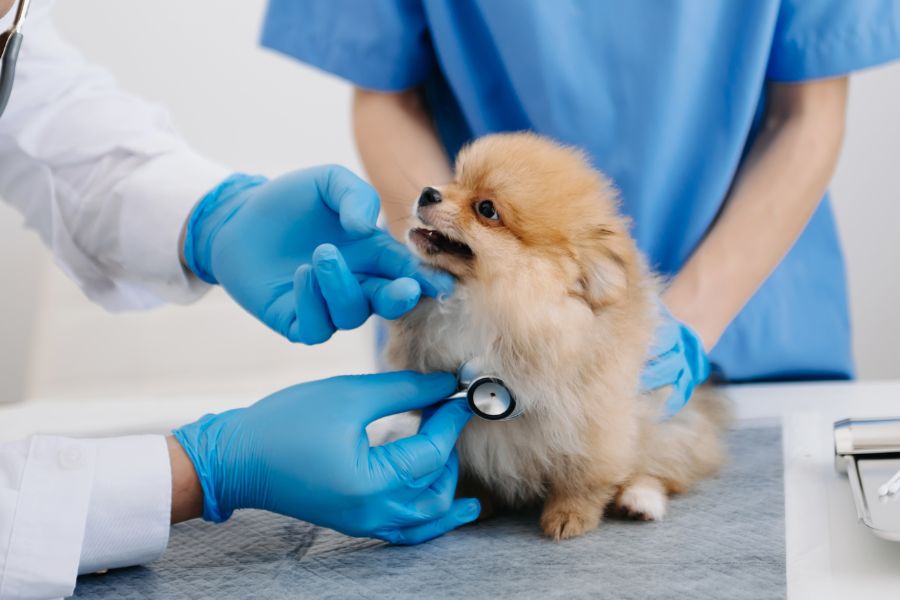
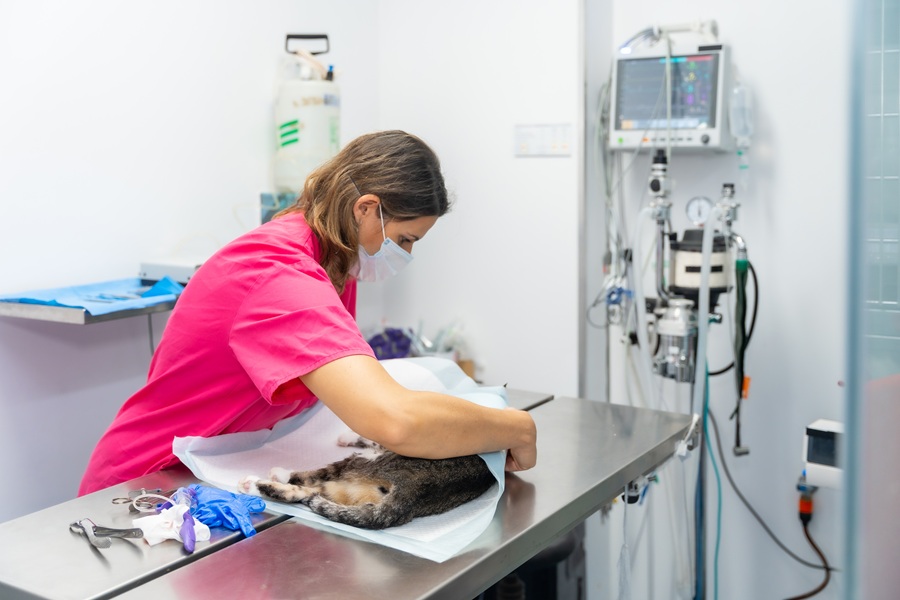
When your pet needs surgery, it’s natural to feel anxious. However, advancements in veterinary medicine have made procedures safer and more effective. Veterinary surgery covers a wide range of treatments, from routine spaying and neutering to orthopedic and emergency procedures. Each one aims to address specific health concerns and improve your pet’s quality of life.
Skilled veterinary teams in Richmond combine technology, training, and compassionate care to make surgery a pathway to better health rather than just a response to illness.
Preventative Surgeries: Stopping Problems Before They Begin
Not all surgeries are done because something is wrong. Some, like spaying and neutering, are preventative. These procedures help reduce the risk of reproductive cancers, unwanted litters, and behavioral issues.
For instance, a spayed female dog has a much lower chance of developing pyometra, a life-threatening uterine infection. Preventative veterinary surgery Richmond not only safeguards long-term health but also contributes to happier homes and communities.
Corrective Surgeries: Restoring Comfort and Mobility
Pets can suffer from conditions like hip dysplasia, torn ligaments, or fractures. Corrective surgeries address these painful problems and restore your pet’s ability to move freely.
Take orthopedic surgery as an example—it helps dogs run, play, and enjoy life again without discomfort. Veterinary surgeons in Richmond focuses on these procedures, ensuring that pets regain mobility and return to their active, joyful selves.
Emergency Surgeries: Acting Fast to Save Lives
Accidents and sudden illnesses happen when you least expect them. In such moments, emergency surgery can mean the difference between life and death.
Examples include removing foreign objects pets swallow, repairing internal injuries, or addressing severe infections. With modern facilities and experienced teams, veterinary surgery Richmond clinics act quickly and effectively during emergencies, giving pets the best possible chance at recovery.
Dental Surgeries: More Than Just a Sparkling Smile
Oral health often gets overlooked, but dental surgery can dramatically improve your pet’s overall well-being. Removing diseased teeth or treating gum infections relieves pain, prevents bacteria from spreading, and makes eating enjoyable again.
By tackling oral problems through dental procedures, Richmond veterinarians help pets live healthier and happier lives without chronic discomfort.
Recovery and Aftercare: The Road Back to Health
Surgery is just the first step. Recovery and aftercare play a crucial role in ensuring the success of the procedure. Veterinarians provide personalized care plans that include rest guidelines, pain management, and follow-up appointments.
Your role as a pet parent is equally important—administering medications on time, restricting activity, and monitoring your pet’s healing process. With teamwork between you and the veterinary team, recovery becomes smoother and faster.
Long-Term Health Benefits of Veterinary Surgery
Beyond solving immediate medical issues, surgery can add years of vitality to your pet’s life. Whether it’s removing a tumor, correcting a joint problem, or preventing reproductive diseases, the long-term benefits are undeniable.
With veterinary surgery Richmond, pets often enjoy improved comfort, enhanced mobility, and a significant reduction in future health risks. These benefits make surgery an investment in your pet’s overall well-being.
FAQs
Q1. Is veterinary surgery safe for pets?
Ans. Yes, with modern technology, monitoring equipment, and skilled veterinarians, surgery is safer than ever. Pre-surgical exams help minimize risks.
Q2. How do I prepare my pet for surgery?
Ans. Your vet will give instructions, usually including fasting before the procedure. Providing a full medical history is also important.
Q3. What types of surgeries are common in pets?
Ans. Common procedures include spaying/neutering, tumor removal, orthopedic corrections, dental extractions, and emergency surgeries.
Q4. How long does recovery take after veterinary surgery?
Ans. Recovery times vary. Minor surgeries may heal within days, while orthopedic surgeries may take weeks to months with proper care.
Q5. Can older pets undergo surgery safely?
Ans. Yes, older pets can have surgery, but additional testing and careful monitoring ensure their safety throughout the procedure.
Q6. Why should I choose veterinary surgery Richmond?
Ans. Veterinary teams in Richmond offer advanced care, compassionate handling, and customized surgical plans that prioritize your pet’s health and comfort.
Giving Pets a Healthier, Happier Future
Surgery may sound intimidating, but it often leads to a brighter future for your pet. From preventing serious illnesses to restoring mobility and saving lives during emergencies, veterinary surgery in Richmond plays a vital role in keeping pets healthy.
With the right care, preparation, and aftercare, your furry friend can bounce back stronger, healthier, and ready to enjoy more joyful moments by your side.