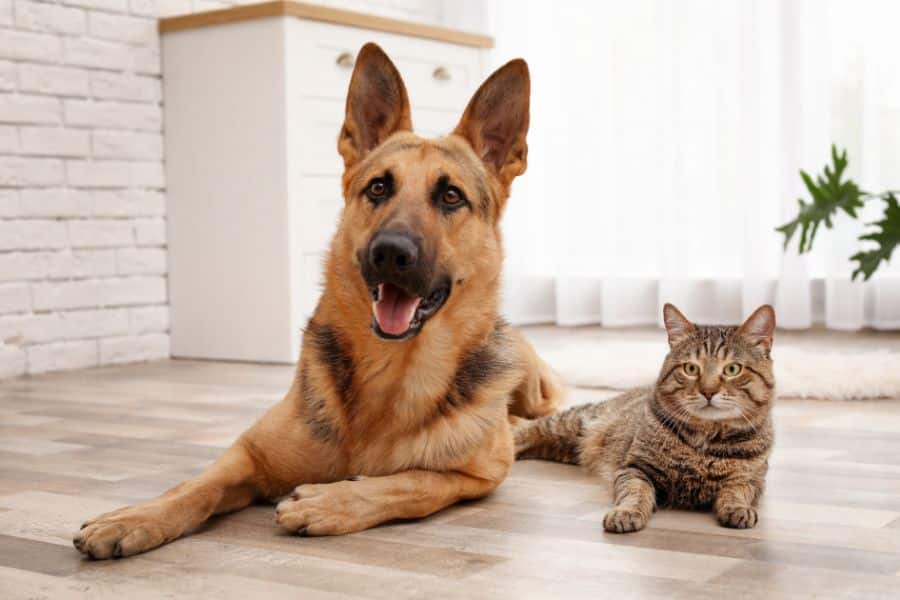

Your new puppy is wriggling with excitement. Your kitten is hiding under the bed. And you have a vet appointment tomorrow. Sound familiar? The first vet visit is a milestone moment for every pet owner, and how you prepare for it can shape how your pet feels about veterinary care for years to come. First vet visit tips are not just about logistics. They are about building trust between your pet, you, and your veterinary team. From getting your dog comfortable in the car to helping your cat feel safe in their carrier, the right preparation makes every visit calmer, smoother, and far less stressful for everyone involved.
Why the First Vet Visit Sets the Tone for Life
A pet’s earliest experiences at the veterinary clinic shape how they respond to every future visit. This is not just theory. Veterinary behaviorists consistently note that animals who have positive first experiences at the clinic are significantly easier to examine, treat, and handle throughout their lives.
Dr. Alyssa N. Fenton, DVM, cAVCA, Managing Partner and Medical Director, has been practicing veterinary medicine for nearly 20 years. She has served pet families in the Richmond community since 2007. In her clinical experience, pets who arrive calm and familiar with basic handling are not only easier to examine. They also give the veterinary team clearer diagnostic information because they are not tense or reactive.
“We want every first visit to feel like a warm welcome, not an ambush,” says Dr. Fenton. “The more familiar a pet is with being touched, lifted, and handled before they arrive, the more we can focus on their actual health rather than managing their anxiety.”
This is why preparation begins at home, days before the appointment.
Getting Your Dog Ready Before the Appointment
Dogs are highly sensitive to routine changes and new environments. A dog who has never ridden in a car, never heard a waiting room, and never been handled by a stranger will find the clinic experience overwhelming.
Start by practicing gentle handling at home. Touch your dog’s ears, paws, and mouth regularly in the days leading up to the visit. This mimics what the veterinarian will do during the physical exam and reduces the startle response. Many dogs we see for the first time have never had their paws handled at home, which makes nail trims and paw exams far more stressful than they need to be.
Preparing Dog Vet Visit: A Step-by-Step Home Checklist
- Practice car rides several days in advance, starting with short trips to positive destinations
- Handle your dog’s ears, paws, teeth, and tail daily for 3 to 5 minutes
- Practice lifting small dogs onto a counter-height surface at home
- Withhold a large meal the morning of the visit so treats work better as rewards
- Bring your dog’s favorite small treats to the clinic
- Stay calm yourself. Dogs read your emotional state accurately
Pet owners often tell us that their dog was nervous at the clinic but completely fine at home. The difference is almost always the smell, the sounds, and the presence of other animals. Arriving a few minutes early and allowing your dog to sniff around calmly outside before entering can help bridge that gap significantly.
What Does a First Vet Visit Actually Look Like?
Understanding what happens during the appointment removes the fear of the unknown for both you and your pet. A first veterinary visit typically covers several important areas.
- Weight and vital signs check. Your pet is weighed and their temperature, heart rate, and respiratory rate are recorded.
- Full physical examination. The veterinarian checks eyes, ears, mouth, coat, abdomen, lymph nodes, and musculoskeletal alignment.
- Parasite screening. A fecal sample may be requested to check for intestinal parasites.
- Vaccine review and scheduling. Your vet will review your pet’s current vaccination status and recommend what is due.
- Behavioral and nutrition discussion. First visits are an excellent time to ask questions about diet, behavior, exercise, and preventive care.
Dr. Fenton emphasizes that the first visit is also about relationship building. “We take extra time with new patients, especially puppies and kittens, to let them sniff our instruments, explore the table at their own pace, and associate the clinic with positive interactions. That investment pays off every single visit after.”
How to Calm Pets on the Way to the Clinic
Travel anxiety is one of the most common concerns pet owners raise before a first appointment. For dogs, car sickness and excitement can both create a rough start. For cats, the carrier itself is often the first stressor.
The goal with how to calm pets during transport is to create familiarity long before the actual trip. If your dog only ever enters the car for vet visits, the car itself becomes a stress trigger. Start making short, pleasant car trips to nowhere in particular several days ahead. End each trip with a short walk or play session. This breaks the car-equals-vet association quickly.
For cats, carrier training is one of the most overlooked preparation steps. Leave the carrier out in your home with the door open and a soft blanket inside a full week before the appointment. Place treats inside it daily. Let your cat explore and sleep in it on their own terms. By the time the appointment arrives, the carrier is familiar furniture, not a trap.
We frequently remind our clients in Richmond, that cats especially benefit from a calm, covered carrier during transport. Draping a light towel over the carrier reduces visual stimulation and noticeably lowers stress levels before the cat even reaches the clinic.
Cat Carrier Training Tips That Actually Work
Many cat owners believe their cat simply hates the carrier. In our experience, what cats actually hate is being chased, grabbed, and shoved into an unfamiliar plastic box at high speed. The carrier itself is neutral. The experience surrounding it is the problem.
Cat carrier training tips work best when started at least a week before any planned visit. Follow these steps:
- Choose the right carrier. Hard-sided carriers with a removable top are ideal. The top can be removed entirely during the exam so your cat never has to leave the bottom half.
- Make it smell familiar. Place a worn T-shirt or a blanket your cat already uses inside the carrier.
- Never rush the entry. If your cat walks in voluntarily, reward immediately with a high-value treat and leave the door open.
- Practice closing the door. Once your cat is comfortable entering, gently close and open the door with treats flowing consistently.
One of the most common questions we get from pet owners is whether sedation is necessary for a difficult cat. In most cases, proper carrier preparation eliminates the need. When it does not, your veterinarian can discuss short-term calming support options that are safe and appropriate for your individual pet.
What to Bring and What to Tell Your Veterinarian in Richmond
Arriving prepared helps your veterinarian give your pet the most complete care possible. Whether you are visiting a veterinarian in Richmond for the first time or transferring from another clinic, having the right information ready makes a real difference.
What Should I Bring to My Pet’s First Vet Visit?
Bring any prior medical records, current medications, a fresh fecal sample in a sealed bag (collected within 24 hours), your pet’s current food label, and a list of any behavioral concerns or questions you want to address. Your veterinarian will use all of this information to build a complete health picture from day one.
Having your pet’s health history ready, even if it is just notes from the breeder or shelter, gives your vet valuable baseline information. It also helps identify any breed-specific risk factors that should be monitored early. Richmond, VA pet families who come in with this information ready consistently have more productive and thorough first appointments.
Conclusion
Preparing your pet for their first vet visit is one of the most valuable things you can do for their long-term health and emotional well-being. The small steps you take at home, from handling exercises to carrier training, directly reduce stress and create a pet who is genuinely comfortable with veterinary care. First vet visit tips work because preparation replaces the unknown with familiarity. A calm pet gives your veterinarian a clearer picture of their health, and a positive experience builds the trust that makes every future appointment easier. The team at COTA Veterinary is committed to making that first impression a lasting good one for every patient and every family we serve. Book an appointment today.
Frequently Asked Questions
Q: How do I prepare my puppy for their first vet visit?
Ans: Practice gentle handling of your puppy’s ears, paws, and mouth at home in the days before the visit. Take short car rides to non-vet destinations so the car feels positive, bring high-value treats, and withhold a large meal the morning of the appointment so treats are more motivating.
Q: What should I bring to my pet’s first vet appointment?
Ans: Bring any prior health records, a list of current medications, a fresh fecal sample in a sealed container, your pet’s food label, and a written list of questions or behavioral concerns. If your pet came from a breeder or shelter, bring any documentation they provided.
Q: How do I get my cat into a carrier without stress?
Ans: Leave the carrier out with the door open at least a week before the appointment and place treats and a familiar blanket inside daily. Let your cat explore and sleep in it voluntarily. By appointment day, the carrier will feel familiar rather than threatening.
Q: How long does a first vet visit take?
Ans: Most first visits run between 30 and 60 minutes. New patient appointments typically take longer because your veterinarian will complete a full physical exam, review health history, discuss preventive care, and answer your questions thoroughly.
Q: Is it normal for pets to be scared at their first vet visit?
Ans: Some anxiety at a first vet visit is completely normal, especially in young animals who have never encountered the sights, sounds, and smells of a clinic. Proper preparation at home significantly reduces that anxiety. If your pet shows extreme fear or aggression, let your veterinary team know in advance so they can plan appropriate accommodations.