
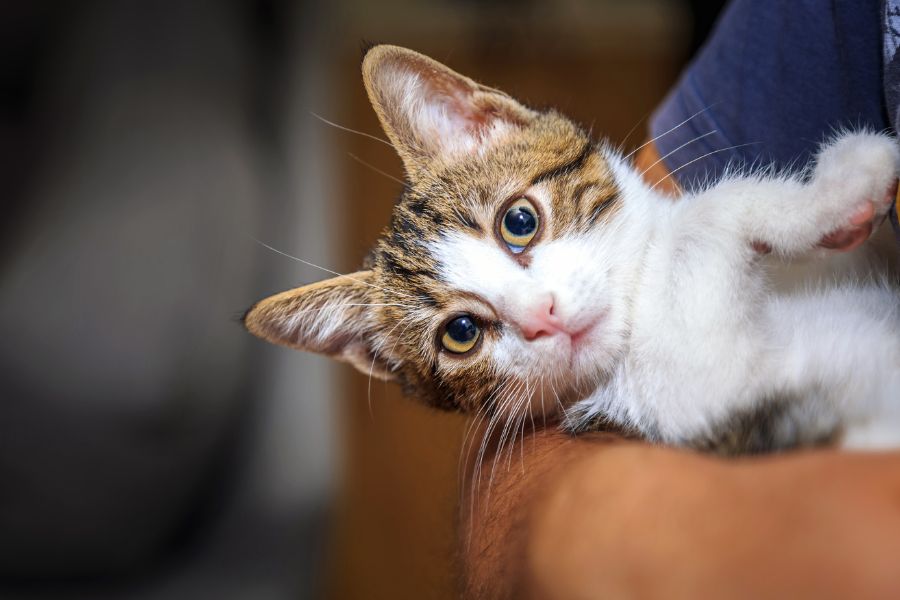
Ensuring the right veterinary care for cats is one of the most important responsibilities of any pet owner. Regular checkups don’t just prevent illness—they help your cat live a longer, healthier, and happier life. In this guide, we’ll break down the most essential cat vet checkup services every owner should schedule, along with tips tailored for cat parents.
Why Regular Veterinary Care for Cats Matters
Cats are masters at hiding illness, which means health issues can go unnoticed until they become serious. Routine veterinary care for cats allows early detection, saving both your cat’s life and costly emergency treatments.
A consistent checkup routine helps:
- Detect diseases early
- Maintain healthy weight and nutrition
- Monitor behavior changes
- Prevent infections and parasites
For pet owners, seasonal changes can also affect your cat’s health, making regular vet visits even more important.
1. Annual Wellness Exams
An annual cat vet checkup is the foundation of good feline health. During this visit, your vet evaluates your cat’s overall condition, including weight, coat quality, heart health, and behavior.
These exams typically include:
- Physical examination
- Temperature and heart rate check
- Lifestyle and diet discussion
For kittens and senior cats, more frequent visits may be necessary.
2. Vaccination Updates
Vaccinations are essential in kitten veterinary care and ongoing adult care. They protect your cat from life-threatening diseases like rabies and feline distemper.
Common vaccines include:
- Rabies
- FVRCP (feline viral rhinotracheitis, calicivirus, panleukopenia)
Indoor cats in Richmond still need vaccinations due to possible exposure through open windows or other pets.
3. Parasite Screening and Prevention
Parasites such as fleas, ticks, and worms can cause serious health issues. Routine screening is a key part of cat diagnostics care.
Your vet may recommend:
- Fecal exams
- Preventive medications
- Flea/tick treatments
In humid climate can increase parasite risks, especially in warmer months.
4. Dental Checkups and Cleanings
Dental disease is one of the most overlooked issues in cats. By age three, many cats show signs of gum disease.
A dental cat vet checkup includes:
- Teeth and gum examination
- Professional cleaning (if needed)
- Advice on at-home dental care
Healthy teeth mean better appetite and fewer infections.
5. Blood Work and Lab Testing
Routine blood tests are crucial for detecting underlying conditions early. These are a core part of diagnostic care.
Blood work helps identify:
- Kidney disease
- Liver issues
- Diabetes
- Infections
Senior cats especially benefit from yearly or biannual lab work.
6. Weight and Nutrition Assessment
Obesity is a growing problem in cats and can lead to diabetes and joint issues. A vet will assess your cat’s weight and recommend dietary changes if needed.
This checkup focuses on:
- Body condition score
- Feeding habits
- Nutritional needs
7. Behavioral Health Evaluation
Changes in behavior can signal health problems. Your vet will ask about:
- Litter box habits
- Aggression or anxiety
- Activity levels
Early behavioral assessments can prevent long-term issues and improve your cat’s quality of life.
8. Urinalysis and Kidney Monitoring
Urinary tract issues are common in cats, especially males. A urinalysis helps detect infections, crystals, or kidney disease early.
This test is essential for:
- Monitoring hydration
- Detecting urinary tract infections
- Preventing blockages
Regular screening is especially important for older cats.
9. Senior Cat Health Screenings
Cats over 7 years old need specialized care. Senior screenings are more comprehensive and may include:
- Advanced blood tests
- Thyroid checks
- Joint and mobility assessments
These checkups ensure your aging cat stays comfortable and pain-free.
10. Diagnostic Imaging (X-rays & Ultrasounds)
When physical exams and lab tests aren’t enough, imaging provides deeper insights. This is a critical component of cat diagnostic care.
Diagnostic imaging helps identify:
- Tumors
- Internal injuries
- Organ abnormalities
It’s especially useful for unexplained symptoms or chronic conditions.
How Often Should You Schedule a Cat Vet Checkup?
The frequency of visits depends on your cat’s age and health:
- Kittens: Every 3–4 weeks until 16 weeks old
- Adult cats: Once a year
- Senior cats: Every 6 months
Regular scheduling ensures consistent veterinary care for cats and helps catch problems early.
Local Tips for Cat Owners
Living in Richmond comes with unique environmental factors that can affect your cat’s health:
- Humidity: Increases the risk of fleas and ticks
- Seasonal allergies: Can impact respiratory health
- Urban wildlife raises exposure risks to diseases
Partnering with a trusted clinic like COTA Veterinary ensures your cat receives personalized care suited to local conditions.
Signs Your Cat Needs Immediate Veterinary Attention
Even with regular checkups, watch for these warning signs:
- Loss of appetite
- Vomiting or diarrhea
- Difficulty urinating
- Sudden weight loss
- Lethargy
If you notice any of these, schedule a cat vet checkup immediately.
Conclusion
Providing the right veterinary care for cats means more than just occasional visits—it’s about consistent, preventive care tailored to your cat’s needs. From routine wellness exams to advanced diagnostics, each checkup plays a vital role in keeping your feline companion healthy.
If you’re a cat owner in Richmond, staying proactive with these 10 essential checkups can make all the difference. Schedule your cat’s next appointment with COTA Veterinary today and give your pet the care they deserve.
FAQs
Q1: How often should I take my cat to the vet for a checkup?
Ans: Adult cats should visit once a year, while kittens and senior cats need more frequent visits for proper veterinary care for cats and early disease detection.
Q2: What is included in a cat vet checkup?
Ans: A typical cat vet checkup includes a physical exam, vaccinations, parasite screening, and sometimes blood tests or diagnostic care, depending on your cat’s age and health.
Q3: Why is kitten veterinary care so important?
Ans: Kitten veterinary care ensures proper growth, vaccinations, and early disease prevention, setting a strong foundation for lifelong health and reducing future medical issues.
Q4: What are common signs my cat needs diagnostic care?
Ans: Signs include weight loss, vomiting, changes in behavior, or difficulty urinating. These symptoms often require immediate cat diagnostics care for accurate diagnosis and treatment.
Q5: Is veterinary care for indoor cats really necessary?
Ans: Yes, indoor cats still need regular veterinary care for cats to prevent diseases, maintain vaccinations, and monitor overall health even without outdoor exposure.