Your pet’s smile says more than you think. While wagging tails and playful eyes get all the attention, oral health often goes unnoticed. Unfortunately, tooth decay in pets can silently progress into painful infections, tooth loss, and even systemic health problems. The good news? Preventing dental issues is far simpler than treating them, and consistent preventive care keeps your furry companion healthier in the long run.
What Actually Causes Tooth Decay in Pets?
Tooth decay starts with a sticky film of plaque coating your pet’s teeth. Over time, this plaque hardens into tartar, creating a breeding ground for bacteria. Those bacteria release acids that erode enamel, damage gums, and create cavities. If left untreated, this can spread deeper into the mouth and even circulate harmful bacteria through the bloodstream, affecting organs like the heart or kidneys.
Signs That Point to Dental Trouble
Spotting tooth decay early makes a big difference in treatment outcomes. Keep a close eye out for these signs:
- Persistent foul breath
- Yellow or dark tartar near the gum line
- Red, bleeding, or swollen gums
- Trouble chewing or dropping food while eating
- Visible tooth loss or loose teeth
- Frequent pawing at the mouth
Because pets hide discomfort well, even subtle changes in eating habits or behavior can point toward dental discomfort.
Prevention Works Better (and Costs Less)
Once dental disease sets in, treatments often involve professional deep cleanings, extractions, or even surgeries—all of which can be stressful for both you and your pet. On the other hand, prevention is straightforward. Regular home care, paired with professional veterinary dentistry, spares your pet the pain and saves you from costly procedures.
Simple Steps to Prevent Tooth Decay in Pets
You can maintain your pet’s dental health with these practical tips:
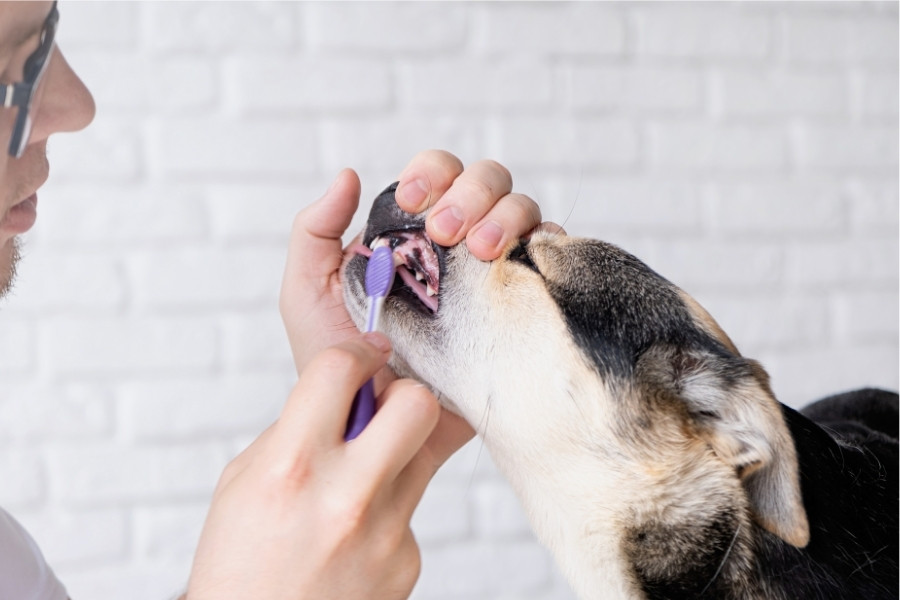
- Brush Their Teeth Regularly – Use a pet-safe toothbrush and toothpaste several times a week to fight plaque buildup.
- Offer Dental Treats and Chews – Chewing helps scrape off plaque naturally and encourages healthier gums.
- Feed a Balanced Diet – Proper nutrition supports oral health while avoiding sticky or overly processed foods, which reduces tartar risk.
- Schedule Professional Dental Cleanings – Clinics that provide services for pet dentistryprovide thorough cleanings and checkups that go deeper than at-home care alone.
- Plan Routine Vet Visits – Annual dental exams allow early detection of potential issues before they progress.
How Pet Dentistry Supports Oral Care
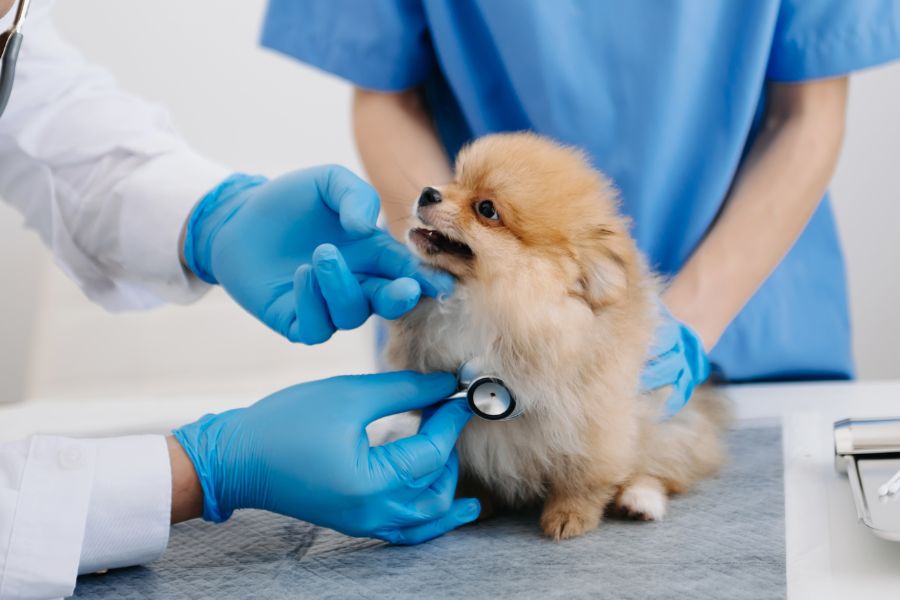
Veterinary practices offering pet dental care play a vital role in maintaining long-term oral wellness. These clinics use advanced equipment like dental X-rays to catch hidden decay and perform precise cleanings under anesthesia, ensuring every tooth and gum line is properly cared for. They also create personalized dental care schedules tailored to your pet’s breed, age, and lifestyle.
The Link Between Oral and Whole-Body Health
Poor oral health isn’t just a mouth problem. Infections caused by untreated tooth decay can spread through the bloodstream, damaging major organs over time. By prioritizing dental care, you’re doing more than preventing bad breath—you’re actively reducing your pet’s risk of developing heart disease, respiratory infections, and kidney complications.
Giving Your Pet a Healthier Tomorrow
Healthy teeth lead to happier, longer lives. When you stay proactive with home care and partner with trusted experts in pet dentistry in Richmond, you’re giving your pet the best chance at pain-free days and confident, playful living. It’s not just about preventing problems today—it’s about ensuring a healthier tomorrow.
FAQs About Tooth Decay in Pets
Q1. Is tooth decay common in dogs and cats?
Ans. Yes, most pets begin showing dental issues by age three if preventive dental care is lacking.
Q2. Can I use human toothpaste for my pet?
Ans. No, human toothpaste is unsafe for pets. Always stick with veterinarian-approved pet toothpaste.
Q3. What happens if I ignore early dental problems?
Ans. Neglected decay can cause pain, infections, lost teeth, and serious health complications in other organs.
Q4. How often does my pet need a professional dental cleaning?
Ans. Most pets benefit from yearly cleanings, though some breeds may require more frequent care.
Q5. Are dental chews a replacement for brushing?
Ans. No. Chews are a helpful supplement, but they work best when paired with brushing and professional exams.
Q6. How do I know if pet dentistry is necessary for my pet?
Ans. If you notice bad breath, visible tartar, or difficulty chewing, schedule a dental exam with a Richmond-based vet.