Regular vet checkups are the cornerstone of your pet’s long, healthy, and happy life. From early disease detection to tailored preventive care, routine visits help veterinarians identify issues before they become serious. In this guide, we’ll explore the importance of regular vet checkups, ideal visit schedules, and what to expect during your pet’s wellness exam, ensuring your pet receives the best ongoing care.
Why Regular Vet Checkups Matter for Your Pet’s Health
Just like humans, pets benefit from consistent medical attention. Regular veterinary visits help monitor your pet’s health, track changes over time, and catch early signs of illness before symptoms worsen.
Key Benefits of Routine Vet Visits:
- Early Disease Detection: Routine screenings can uncover underlying health issues such as diabetes, kidney disease, or dental problems before they progress.
- Preventive Vaccinations: Keeping up with immunizations protects pets from serious contagious diseases.
- Parasite Prevention: Regular testing and preventive medications guard against fleas, ticks, and heartworms.
- Nutritional and Lifestyle Guidance: Veterinarians provide personalized advice on diet, exercise, and weight management.
- Dental Health Monitoring: Many pets develop oral issues that routine dental exams can prevent.
How Often Should You Schedule Vet Visits?
Your pet’s health checkup schedule depends on age, breed, and overall wellness. A veterinarian can tailor the right plan, but here’s a general guideline:
Puppies and Kittens:
- Require monthly visits during the first 4–6 months for vaccines, deworming, and growth assessments.
- Early checkups build a health baseline for future care.
Adult Dogs and Cats (1–7 years):
- Should have an annual wellness exam to evaluate weight, heart health, and dental condition.
- Preventive bloodwork can detect hidden problems.
Senior Pets (7+ years):
- Need biannual checkups, as aging increases risks for arthritis, heart disease, and organ issues.
- Regular bloodwork and diagnostic imaging help detect age-related conditions early.
What Happens During a Pet Wellness Exam
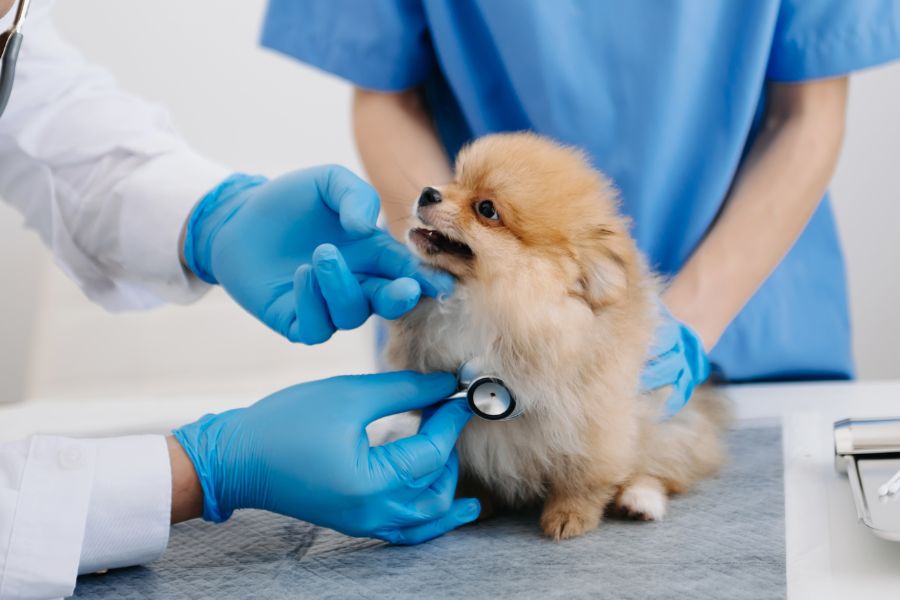
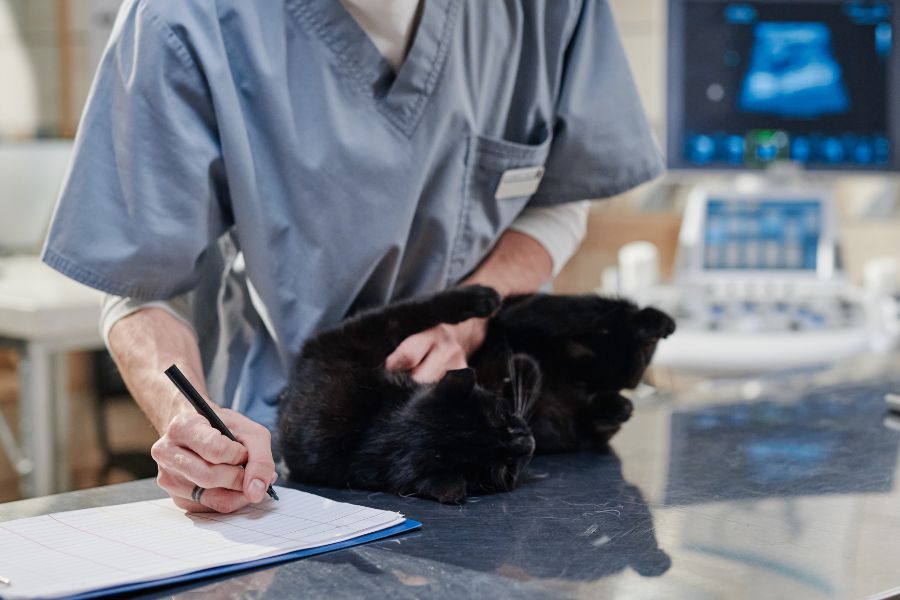
A pet wellness exam is a comprehensive evaluation that goes beyond a simple physical check. It’s a chance for your vet to ensure your pet’s entire body is functioning properly.
A Typical Wellness Exam Includes:
- Physical Examination: Checking eyes, ears, skin, teeth, and joints.
- Vital Signs: Monitoring temperature, heart rate, and weight.
- Vaccinations: Updating immunizations as needed.
- Parasite Screening: Testing for intestinal worms and heartworm disease.
- Bloodwork & Urinalysis: Evaluating organ function and detecting infections or diabetes.
- Behavior & Diet Review: Discussing habits, energy levels, and nutrition.
Your veterinary clinic in Richmond may also recommend additional diagnostic tests depending on your pet’s age or health concerns.
The Role of Preventive Veterinary Care
Preventive veterinary care for pets focuses on keeping animals healthy rather than treating illness after it appears. These small steps can lead to a significantly longer, happier life for your furry companion.
Preventive Care Includes:
- Routine Exams: Early detection is the best defense against chronic diseases.
- Dental Cleanings: Regular dental care prevents painful infections and systemic health issues.
- Parasite Control: Year-round flea, tick, and heartworm prevention is essential.
- Nutrition Management: Maintaining a healthy diet supports weight, energy, and immune function.
- Vaccination Boosters: Keeping up with vaccines ensures lifelong protection.
How Routine Vet Visits Improve Quality of Life
When pets receive consistent care, they live not just longer—but better. Routine vet visits for dogs and cats support comfort, vitality, and emotional well-being.
- Pain Prevention: Detecting joint or dental pain early improves daily comfort.
- Behavioral Stability: Healthier pets tend to be calmer and more playful.
- Long-Term Cost Savings: Preventing diseases is always less expensive than treating advanced conditions.
- Peace of Mind: Knowing your pet’s health is in check lets you enjoy your time together fully.
Choosing the Right Veterinarian in Richmond, VA
Selecting a trusted veterinary partner ensures continuity and personalized care. Look for a veterinary clinic in Richmond that provides:
- Experienced veterinarians who understand your pet’s breed and lifestyle.
- Modern diagnostic technology for accurate, early detection.
- Compassionate staff who prioritize comfort and education.
- Convenient scheduling for routine visits and emergency care.
At COTA Veterinary, your pet’s health is our highest priority. Our dedicated team creates customized wellness plans designed to protect and enhance your pet’s life every step of the way.
Routine vet checkups are essential for preventive care, disease detection, and lifelong wellness. From vaccinations to nutrition guidance, every visit adds another layer of protection to your pet’s well-being.
FAQs:
Q1: How often should I take my dog to the vet?
Ans: Most adult dogs should have an annual checkup, while puppies and senior dogs may need visits every 6 months.
Q2: What is included in a routine pet wellness exam?
Ans: A wellness exam includes a physical check, bloodwork, vaccinations, parasite testing, and discussions about nutrition and behavior.
Q3: Why are regular vet visits important even if my pet seems healthy?
Ans: Many illnesses develop silently; routine visits catch issues early before they become severe or costly.
Q4: When should I schedule my cat’s first vet visit?
Ans: Kittens should visit the vet within a week of adoption for a health assessment and vaccination schedule setup.
Q5: What preventive care does my pet need each year?
Ans: Annual vaccines, dental exams, parasite control, and wellness testing are key components of preventive care for pets.