Your vet just told you your pet needs surgery. Your mind is already racing. A veterinary surgery consultation is the critical first step that helps both you and your veterinarian prepare for a safe, successful procedure. Many pet owners arrive at this appointment unsure of what to expect, what to ask, or even what the consultation is for. This article walks you through every stage of the process: what your vet checks, why each step matters, and how to make the most of the appointment. Knowing what is ahead helps reduce anxiety for you and ensures your pet receives the right care from the very start. Surgery can feel overwhelming, but the consultation is designed to put you at ease and give your pet the best possible outcome.
What a Veterinary Surgery Consultation Actually Involves
A surgical consultation is not a simple check-in. It is a focused medical evaluation designed to determine whether your pet is ready for an operation, which type of procedure is most appropriate, and what risks may be involved.
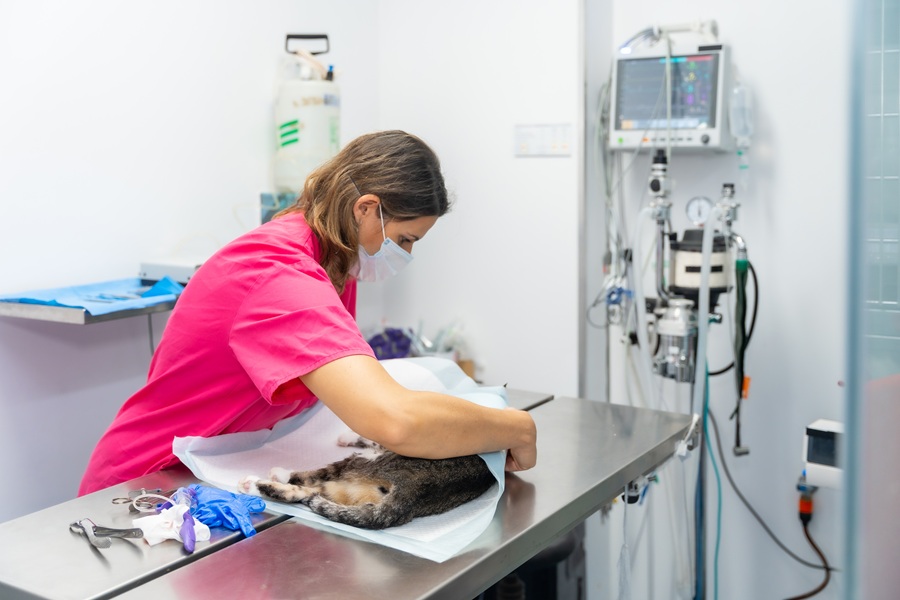
The consultation typically includes a full physical exam, a review of your pet’s health history, and a detailed conversation with the veterinarian about the planned procedure. Your vet will assess your pet’s weight, heart and lung function, and overall condition. Any pre-existing health concerns are factored into the surgical plan before a date is ever scheduled.
Studies consistently show that pre-surgical evaluations reduce complications and improve recovery outcomes in companion animals. This appointment is where those safeguards begin. Think of it less as a formality and more as the foundation of your pet’s surgical care.
Signs Your Pet May Need a Surgical Evaluation
Pet owners often tell us they waited longer than they should have before seeking a surgical opinion. Recognizing the signs early gives your veterinarian more options and your pet a better chance at a smooth recovery.
Watch for these signs that a surgical consultation may be needed:
- Visible lumps or growths that have changed in size, shape, or texture in recent weeks
- Lameness or limping that does not resolve with rest and does not respond to pain management
- Repeated digestive issues, such as vomiting or abdominal bloating, that have no clear dietary cause
- Eye or eyelid abnormalities, including cloudiness, discharge, or structural changes that affect vision
- Wounds or injuries that have not healed properly despite appropriate treatment
In our experience, many of these conditions are highly treatable when addressed early. If your pet is showing any of these signs, contact your veterinarian promptly to discuss next steps.
What to Expect During the Appointment: Step by Step
This is the section most pet owners wish they had read beforehand. Understanding the sequence helps you stay calm and focused during the visit.
- Health history review. Your vet will ask about your pet’s past illnesses, current medications, vaccines, and any known allergies. Bring any records you have, including prior diagnostics.
- Physical examination. The veterinarian will examine your pet from nose to tail, focusing on the area of concern and on systems that affect anesthesia safety, including the heart and lungs.
- Diagnostic testing. For most surgical cases, a dog surgery pre-op exam includes bloodwork, and sometimes urinalysis or imaging. These tests reveal organ function and catch hidden conditions that could raise surgical risk.
- Surgical plan discussion. Your vet will explain what procedure is recommended, how it will be performed, and what the recovery process looks like.
- Anesthesia review. The type of anesthesia, monitoring protocols, and pain management plan will all be discussed. You will have the opportunity to ask questions before anything is scheduled.
- Informed consent. Before your pet is ever booked for surgery, you will be asked to review and sign a consent form. This ensures you fully understand the procedure and authorize the care.
Understanding pet surgery, what to expect before this appointment, makes it much easier to absorb the information your vet is sharing in the moment.
How Does Your Vet Assess Surgical Risk?
A veterinary surgeon does not view every pet the same way before an operation. Animal surgery risk assessment is a personalized process that looks at multiple factors before a procedure is approved.
Age is one factor. Senior pets often require more thorough pre-anesthetic bloodwork because organ function naturally changes over time. Breed matters too. Brachycephalic dogs and cats, those with flat faces such as Bulldogs, Pugs, and Persian cats, face elevated anesthesia risks due to their airway anatomy. Your vet accounts for this during pre-surgical planning.
Underlying health conditions such as heart disease, diabetes, kidney dysfunction, or clotting disorders all affect how safely a pet can undergo anesthesia. None of these conditions automatically disqualifies a pet from surgery, but each one changes how the procedure is approached, monitored, and managed. Pet owners frequently assume that older pets cannot have surgery safely. That is often not the case. With careful planning and monitoring, many senior pets recover well.
What Questions Should You Bring to the Consultation?
One of the most important things you can do before the appointment is prepare your questions. Vet surgical consult questions help your veterinarian understand your concerns and help you leave the appointment feeling confident rather than confused.
Consider asking:
- What is the purpose of this surgery, and are there non-surgical alternatives?
- What does recovery look like, and how long before my pet is back to normal activity?
- How will pain be managed before, during, and after the procedure?
- What are the risks specific to my pet’s age, breed, or current health?
- What should I watch for at home after surgery?
Writing your questions down before the visit ensures you do not forget them in the moment. Bring a notepad or use your phone to jot down the vet’s answers. No question is too small, and a good surgical team will take the time to address every concern thoroughly.
Richmond pet owners looking for expert veterinary surgical care in Richmond can trust COTA Veterinary for compassionate, detailed pre-surgical consultations. The team here works closely with each pet owner to explain every step and ensure every animal receives a personalized surgical plan backed by thorough diagnostics and experienced clinical judgment.
Conclusion
A veterinary surgery consultation is not just a box to check before an operation. It is an essential medical process that protects your pet, prepares your care team, and gives you the information you need to make confident decisions. From the physical exam to the vet surgical consult questions you bring to the table, every element of this appointment shapes what happens next. Understanding what to expect from pet surgery allows you to walk in prepared and walk out reassured. When the time comes for your pet’s procedure, COTA Veterinary is here to guide you and your companion through every step of the journey. Book an appointment today.
Frequently Asked Questions
Q: What happens at a vet surgery consultation?
Ans: A veterinary surgery consultation includes a full physical exam, health history review, pre-operative diagnostics such as bloodwork, and a detailed discussion of the planned procedure, anesthesia plan, and recovery process. Your vet will address all questions before scheduling the surgery.
Q: How long does a pre-surgery vet appointment take?
Ans: Most surgical consultations last between 30 and 60 minutes, depending on your pet’s condition and the complexity of the planned procedure. More extensive cases may require additional diagnostic appointments before a surgery date is confirmed.
Q: What tests does a vet run before pet surgery?
Ans: A dog surgery pre-op exam typically includes a complete blood count, chemistry panel, and urinalysis. Imaging, such as X-rays or ultrasound, may also be ordered to better evaluate the surgical site or check for related concerns.
Q: Can older pets safely have surgery?
Ans: Yes, many senior pets undergo surgery successfully with proper preparation. Animal surgery risk assessment for older animals involves thorough pre-anesthetic bloodwork and careful anesthesia monitoring to account for age-related changes in organ function.
Q: What should I bring to my pet’s surgical consultation?
\Ans: Bring your pet’s vaccination records, a list of current medications and supplements, any prior diagnostic results, and a written list of questions you want answered. Having this information ready helps your vet build the most accurate surgical plan for your pet.