Your pet cannot tell you when something feels off. That is why a pet wellness exam is one of the most important things you can do for their long-term health. Annual exams catch problems early, before they become serious and costly to treat. Many conditions, including heart disease, kidney issues, and dental disease, show no obvious symptoms in the early stages. A trained veterinarian can spot subtle changes that most pet owners would never notice at home. Whether your dog or cat seems perfectly healthy or has been acting a little off lately, a yearly visit gives you and your vet a clear, current picture of where your pet stands. This guide walks you through exactly what happens during an annual wellness visit, so you can walk in prepared and walk out confident.
Why Annual Exams Matter More Than Most Pet Owners Realize
Most pet owners schedule a vet visit when something goes wrong. The problem with that approach is that many serious conditions are already advanced by the time symptoms appear. An annual pet wellness visit shifts the approach from reactive to preventive, and that shift can add years to your pet’s life.
Dental disease affects an estimated 80% of dogs and 70% of cats over age three. The majority of those animals show no visible signs of discomfort until the disease is severe. Heart conditions, thyroid dysfunction, and early-stage kidney disease follow a similar pattern. They develop quietly, progress slowly, and only reveal themselves once significant damage has been done.
Routine pet care visits give your veterinarian a baseline for your pet’s health. When they see your pet every year, they can track weight trends, flag bloodwork changes, and catch early warning signs that would be invisible to even the most attentive owner. An annual exam is not just a checkup. It is your pet’s best defense.
Signs Your Pet May Be Overdue for a Health Checkup
Pets are instinctively good at hiding discomfort. By the time a pet owner notices something is wrong, the issue has often been developing for months. Knowing the early warning signs can help you decide when a visit cannot wait.
Watch for these pet health checkup signs:
- Unexplained weight change: Gradual weight loss or gain can signal thyroid problems, diabetes, or organ disease, especially in cats over age seven.
- Increased thirst or urination: These are among the earliest signs of kidney disease, diabetes, and Cushing’s syndrome in dogs and cats.
- Bad breath: Persistent odor is not normal. It is almost always a sign of dental disease, and in some cases, it can point to digestive or kidney issues.
- Changes in coat or skin: Dull fur, excessive shedding, flaking, or new lumps should always be evaluated.
- Behavioral shifts: Sleeping more, eating less, or withdrawing from family activity are often the first signs a pet is not feeling well.
If you notice any of these signs, contact your veterinarian promptly. Many of these conditions are fully manageable when caught early.
In our experience, most pet owners are surprised to learn how much information a physical exam can reveal. We regularly detect early-stage conditions in pets that seemed completely healthy to their families at home.
What Vets Check During Exam: A Step-by-Step Look
Many pet owners are unsure what actually happens once the exam room door closes. Here is a clear, step-by-step breakdown of what a comprehensive annual wellness visit typically includes.
- Weight and vitals check. Your pet is weighed and their temperature, pulse, and respiratory rate are recorded. These baselines are compared to previous visits to catch gradual changes.
- Eyes, ears, and nose evaluation. The vet checks for discharge, cloudiness, infection, or structural abnormalities that may need attention.
- Oral health assessment. Teeth, gums, and the tongue are examined for tartar buildup, gum inflammation, loose teeth, or signs of oral disease.
- Lymph node palpation. Swollen lymph nodes can indicate infection, inflammation, or in some cases, more serious conditions that warrant further testing.
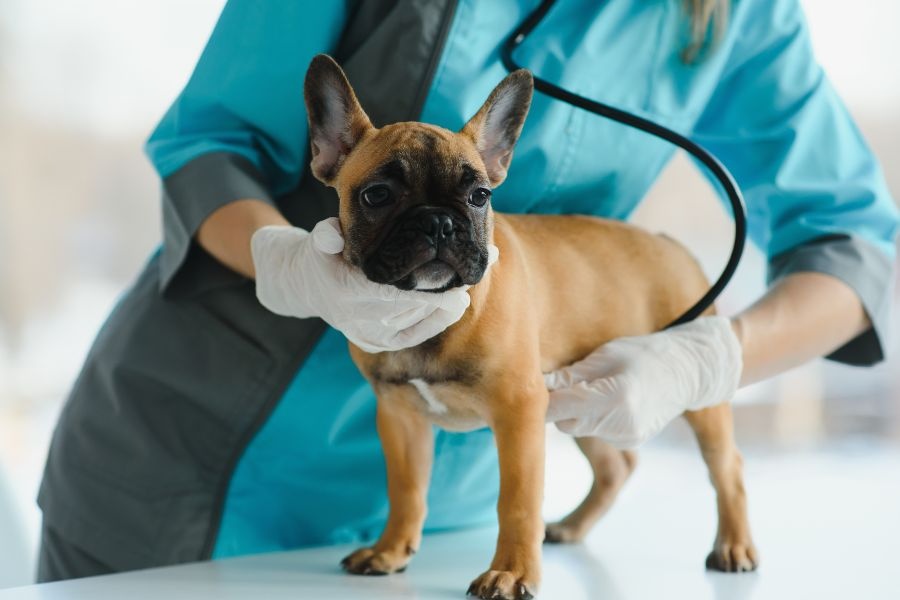
- Heart and lung auscultation. Using a stethoscope, the vet listens for irregular rhythms, murmurs, or abnormal breathing sounds.
- Abdominal palpation. The vet gently presses along the abdomen to assess organ size, detect pain responses, or feel for any unusual masses.
- Skin and coat review. The entire coat is checked for parasites, lesions, lumps, or signs of allergic skin disease.
- Musculoskeletal assessment. Joints, muscles, and gait are evaluated. This step is especially important for older pets and large-breed dogs prone to joint conditions.
- Preventive care discussion. Your vet will review your pet’s vaccination history and discuss which preventive treatments are appropriate based on your pet’s age, lifestyle, and risk factors.
- Bloodwork and diagnostics (if recommended). For pets over age seven, or those with known health concerns, bloodwork and urinalysis provide a deeper view of organ function and overall health.
In Richmond, VA, pets face year-round environmental factors, including high summer humidity, seasonal pollen loads, and active flea and tick seasons that make preventive care especially critical. Your vet will tailor recommendations to local risks.
Common Misconceptions About Routine Pet Care Visits
One of the most common things we hear is, “My pet seems fine. Do they really need to come in?” The answer is almost always yes.
Routine pet care visits are not just for sick animals. In fact, the healthiest pets benefit most from a consistent annual exam schedule because it establishes a strong baseline and allows the vet to detect deviations early. Pets that only see a vet when sick often have gaps in their health history that make it harder to identify what has changed.
Another widespread myth is that indoor pets do not need annual exams. Indoor cats, in particular, are often under-vetted. They are still susceptible to dental disease, obesity, kidney disease, and hyperthyroidism, all of which develop quietly and are far easier to treat when caught early.
Annual vet visit tips that make a real difference: keep a brief notes list of any behavioral changes, appetite shifts, or new physical findings before your appointment. Even small details help your veterinarian build a more complete picture. And do not skip the visit just because your pet seems healthy. In veterinary medicine, “seems fine” is not the same as “is fine.”
The Richmond, VA, region’s tick and flea pressure is higher than many pet owners expect year-round. Your vet can confirm whether your current parasite prevention protocol is adequate for the local environment.
How to Choose the Right Veterinary Clinic for Annual Wellness Care
Not all veterinary practices offer the same level of annual wellness care. When evaluating a clinic, look for a team that takes a thorough, whole-body approach rather than a quick visual scan. A quality annual exam should take time. If a visit feels rushed, that is a sign the assessment may not be as complete as your pet deserves.
Look for a clinic that offers in-house diagnostics, clear communication about findings, and a veterinarian who takes the time to answer your questions without pressure. Preventive care should feel like a partnership, not a transaction.
For pet owners in Richmond, COTA Veterinary provides comprehensive annual wellness exams designed to give every patient a thorough, personalized evaluation. Our team is committed to catching problems early and keeping your pet healthy for the long term.
Conclusion
Annual wellness care is the foundation of a long, healthy life for your pet. A pet wellness exam done once a year gives your veterinarian the information they need to protect your pet’s health proactively, not just reactively. Do not wait for symptoms to schedule a visit. Your pet depends on you to make that call before something goes wrong. The earlier a condition is detected, the more options your veterinarian has to treat it effectively. Give your pet the same level of consistent preventive care you would want for yourself. COTA Veterinary is here to help you do exactly that. Book an appointment today.
Frequently Asked Questions
Q: How long does an annual wellness exam typically take?
Ans: Most annual wellness exams take between 30 and 60 minutes, depending on your pet’s age, health history, and whether diagnostics such as bloodwork are included. Older pets or those with existing health conditions may require additional time.
Q: At what age should I start bringing my pet in for annual wellness visits?
Ans: Annual wellness visits should begin in your pet’s first year of life. Puppies and kittens typically need more frequent visits early on for vaccinations and developmental monitoring, but once those early-life protocols are complete, a yearly schedule is standard for most healthy adult pets.
Q: What should I bring to my pet’s annual wellness exam?
Ans: Bring any previous medical records if you are visiting a new clinic, a list of current medications or supplements, and notes about any behavioral or physical changes you have noticed. A fresh stool sample may also be requested for parasite screening.
Q: Does my indoor cat really need an annual exam?
Ans: Yes. Indoor cats are still susceptible to dental disease, obesity, kidney disease, and hyperthyroidism, all of which are common and often symptom-free in early stages. Annual exams are just as important for indoor pets as for those who spend time outdoors.
Q: Will my pet need bloodwork at every annual visit?
Ans: Not necessarily. For young, healthy pets with no known concerns, a physical exam may be sufficient. However, for pets over age seven, or those with a health history that warrants closer monitoring, bloodwork and urinalysis are strongly recommended to assess organ function and catch early changes.