Your senior pet’s annual wellness checkup begins the moment your dog or cat walks through the clinic door. Before a single question is asked or a stethoscope is placed, an experienced veterinarian is already gathering information. A senior pet annual wellness checkup is not just about running tests or updating vaccines. It is a full-picture assessment that starts with careful, trained observation. If your pet is 7 years or older, understanding what your vet is looking for and why it matters can help you become a better advocate for your animal’s health.
What Happens Before the Exam Table: How Vets Read the Room
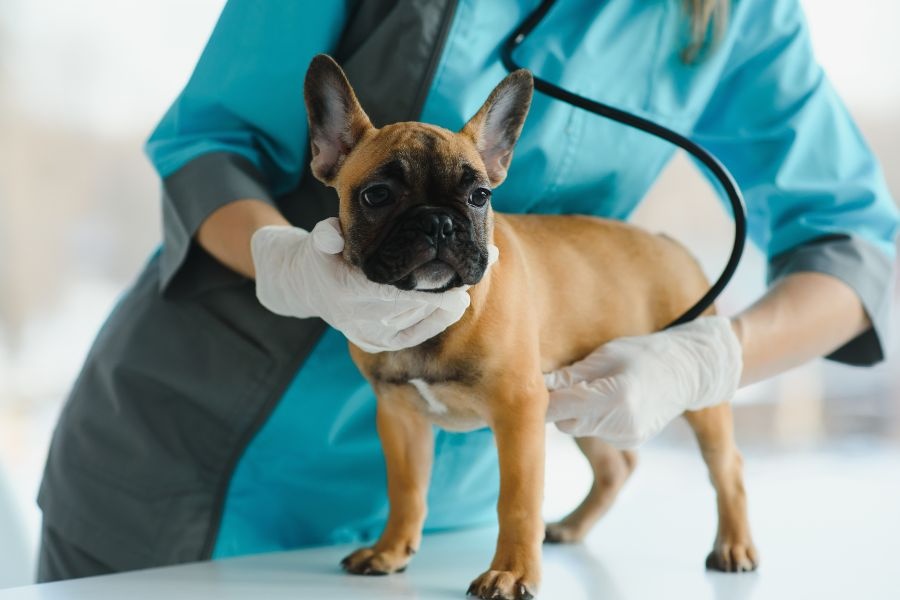
The moment your senior pet enters the exam room, the clinical assessment has already begun. Experienced veterinarians observe movement, posture, coat quality, and behavior before their hands ever touch the animal.
Here are the 13 things your vet is noticing in those first critical minutes:
- Gait and mobility. Does your pet hesitate to jump, favor one leg, or move with a stiff, shortened stride? These patterns are early indicators of arthritis or joint deterioration that often appear years before a pet shows obvious pain.
- Body condition score. A quick visual sweep of the ribs, spine, and waistline tells a vet whether your pet is underweight, overweight, or well-muscled. Unintentional weight loss in seniors is one of the most significant signs of aging in pets and often points to organ disease, dental pain, or metabolic changes.
- Coat and skin quality. A dull, dry, or thinning coat can signal thyroid dysfunction, nutritional deficiencies, or hormonal imbalance. Patchy fur or excessive shedding gets flagged immediately.
- Muscle mass. Senior pets commonly lose muscle along the spine and hindquarters. This is called muscle atrophy and it can develop quietly without obvious limping.
- Eye clarity. Cloudy lenses are assessed for nuclear sclerosis versus cataracts. Red, sunken, or asymmetrically reactive eyes signal a range of conditions requiring further attention.
- Facial symmetry. Subtle drooping, swelling near the jaw, or asymmetry around the eyes or muzzle can indicate nerve dysfunction, dental abscess, or tumor growth.
- Breathing pattern. A vet listens and watches for labored breathing, open-mouth panting in cats, or an elevated respiratory rate while the pet is at rest. These are never dismissed as stress alone in senior animals.
- Posture and head position. A head tilt, hunched back, or tucked abdomen communicates pain and discomfort before the pet makes a single sound.
- Behavioral cues. Is your pet fearful, aggressive, disoriented, or unusually quiet? Cognitive dysfunction and neurological decline present behaviorally before they appear on diagnostics.
- Odor. Breath, coat, and skin odor carry significant information. A sweet or ammonia-like smell can indicate metabolic disease. Foul breath in seniors often points to advanced dental disease or kidney decline.
- Hydration status. A quick skin tent test and assessment of mucous membrane moisture can reveal dehydration that pet owners may have not yet noticed at home.
- Lymph node size. Enlarged lymph nodes detected during an initial light palpation are flagged before the formal hands-on exam begins. This is one of the most actionable senior dog health warning signs a vet can catch early.
- Overall demeanor versus baseline. For returning patients, the vet compares today’s energy, alertness, and responsiveness against prior visit notes. A subtle downward shift in alertness often carries more weight than a single abnormal lab value.
Why Senior Pets Require a Different Kind of Attention
Pets age faster than people, and the health changes that occur between age 7 and 12 can be dramatic. A dog considered healthy at one annual visit can develop early kidney disease, heart murmur, or thyroid dysfunction before the next. The same applies to cats, where hyperthyroidism and chronic kidney disease are among the most commonly missed conditions in pets assumed to be “just slowing down.”
Estimates suggest that more than 60% of dogs over age 8 show at least one sign of osteoarthritis. Yet a significant portion of those pets are never brought in for evaluation because their owners interpret reduced activity as a normal part of getting older. It is not always normal. Slowing down is often a pain response.
This is why what happens in the first five minutes matters. A skilled clinician does not wait for lab results to start building a clinical picture. Every observation made before the formal exam begins is a data point.
What Cat Getting Old Symptoms Actually Look Like at the Exam
Cats are masters at masking illness, and this makes feline senior exams particularly important. Many owners bring in cats for cat getting old symptoms and describe subtle changes: slightly less grooming, a bit more hiding, or just “not being quite themselves.” Vets take these reports seriously.
During those first five minutes with a senior cat, practitioners are looking for matted or greasy fur that the cat can no longer reach to groom, weight loss that has crept in slowly, muscle wasting over the shoulders, and any asymmetry in the face or jaw that might indicate dental pain or a mass.
The challenge with cats is that their stoic nature means the clinical observation window is short. A cat that is stressed in the clinic will mask many of its normal behaviors within minutes. This is why trained eyes at the door, not just at the exam table, matter so much in feline medicine.
The Role of Preventive Care at Every Age: What COTA Veterinary Offers
Preventive medicine does not start at age 7. The observations your veterinarian makes during a senior pet’s visit are built on a foundation of wellness care that starts in puppyhood or kittenhood and continues through every life stage.
At COTA Veterinary in Richmond, VA, the team provides wellness exams for every age of pet, from young puppies and kittens to geriatric cats and dogs. This continuity matters because a vet who has examined your pet across multiple years recognizes changes that would be invisible to someone seeing the animal for the first time.
“The first few minutes of a senior pet’s visit tell me so much,” says Dr. Alyssa N. Fenton, DVM, cAVCA, Managing Partner and Medical Director at COTA Veterinary. “I am watching how they walk in, how they hold their head, whether they seem curious or withdrawn. Senior pets often compensate so well that owners don’t notice the change. What I am looking for is a departure from that individual pet’s normal, and that only comes from knowing them over time.”
Dr. Fenton, who has served the Richmond community since 2007, brings nearly 20 years of clinical experience to every patient. Her background in preventive care, internal medicine, and veterinary chiropractic gives her a multi-dimensional perspective when assessing senior animals, including considerations of mobility, nerve function, and long-term joint health.
Families looking for a pet wellness exam in Richmond that takes the whole-animal picture into account, not just the blood panel, will find that approach at COTA Veterinary.
For a deeper look at what goes into a comprehensive annual visit, the team’s previous resource, During Your Pet’s Annual Wellness Exam, walks through each phase of the appointment in detail.
How to Prepare Your Senior Pet for the Visit
Getting the most out of a senior checkup starts before you arrive at the clinic. Here is how to prepare:
- Write down any behavior changes you have noticed over the past 3 to 6 months, no matter how minor they seem.
- Note any changes in eating, drinking, urination, or defecation patterns.
- Track mobility differences: does your pet struggle with stairs, hesitate to jump, or seem slower on walks?
- Bring any supplements or medications your pet is currently taking.
- Arrive a few minutes early so your pet has time to settle before entering the exam room. A calmer entry gives the veterinarian a more accurate baseline to observe.
The more your vet knows about what daily life looks like at home, the more context they have for what they are observing in those first five minutes.
Conclusion
A senior pet annual wellness checkup is one of the most important investments you can make in your aging companion’s quality of life. The first five minutes alone can reveal early-stage disease, pain, cognitive changes, and metabolic shifts that pet owners often attribute to “just getting old.” Those early observations, made by a trained eye before the formal exam begins, frequently lead to the most impactful interventions. At COTA Veterinary, annual wellness visits for senior dogs and cats are built around this kind of thorough, compassionate attention. Book an appointment today.
Frequently Asked Questions
Q: How often should a senior pet have a checkup?
Ans: Most veterinarians recommend that dogs and cats aged 7 and older be seen at least once a year, with twice-yearly visits recommended for pets aged 10 and above. Age-related conditions can develop and progress quickly in senior animals, making more frequent monitoring valuable.
Q: What age is considered senior for a dog or cat?
Ans: Most dogs are considered senior at age 7, though large and giant breeds may reach senior status earlier, around age 5 or 6. Cats are generally considered senior at age 10 to 12, though veterinarians often begin recommending additional screening around age 7 to 8.
Q: What blood tests are typically run during a senior pet’s annual visit?
Ans: A senior wellness panel typically includes a complete blood count, a chemistry panel assessing organ function, thyroid testing, and urinalysis. Your veterinarian will determine which tests are appropriate based on your pet’s age, breed, health history, and any symptoms you have reported.
Q: What are the most common conditions found during senior pet checkups?
Ans: Among the most frequently diagnosed conditions in senior pets are arthritis, dental disease, kidney disease, hyperthyroidism in cats, hypothyroidism in dogs, heart disease, and early-stage cancer. Many of these conditions are manageable when identified early through routine annual exams.
Q: My senior pet seems healthy. Is an annual wellness checkup still necessary?
Ans: Yes. Many of the conditions most common in senior pets, including early kidney disease, dental pain, and joint deterioration, do not produce obvious symptoms until they are significantly advanced. A veterinarian’s trained observation and diagnostic testing can identify these conditions long before a pet shows signs of illness at home.