
Choosing the right food for your new puppy is one of the most important steps in raising a healthy and happy dog. Proper nutrition during the early months supports strong bones, brain development, and long-term immunity. In this detailed vet-approved guide, we’ll help you understand how to select the best puppy food, decode labels, create a feeding routine, and avoid common mistakes.
Why Choosing the Right Puppy Food Matters
Your puppy’s first year is a critical growth phase. During this time, their bodies are developing rapidly, which means they require a carefully balanced diet. Feeding the right food for your new puppy ensures they receive essential nutrients in the correct proportions.
Poor nutrition during this stage can lead to long-term health problems such as:
- Weak bones and joint issues
- Poor muscle development
- Delayed growth
- Digestive problems
- Increased risk of illness
A well-fed puppy grows into a strong, energetic, and resilient adult dog. That’s why choosing the right diet isn’t just about feeding, it’s about investing in your puppy’s future health.
Understanding Your Puppy’s Nutritional Needs
Puppies have different nutritional requirements compared to adult dogs. They need more calories, protein, and specific nutrients to support their rapid development.
Essential Nutrients for Puppies:
- Protein: The building block of muscles, tissues, and organs. Look for real meat like chicken, beef, or fish as the first ingredient.
- Fats: Provide energy and support brain development. Omega fatty acids also promote healthy skin and coat.
- Calcium & Phosphorus: Crucial for bone and teeth development, especially in growing puppies.
- DHA (Docosahexaenoic Acid): Supports brain and vision development, particularly important in early life stages.
- Carbohydrates: Provide energy and support digestive health when sourced from whole grains or vegetables.
- Vitamins & Minerals: Help strengthen the immune system and support overall growth.
Choosing the right food for your new puppy means ensuring all these nutrients are present in balanced amounts.
Types of Puppy Food Available
With so many options available, selecting the right type of food can feel overwhelming. Let’s break down the most common choices:
1. Dry Kibble
Dry kibble is the most widely used option for puppy owners.
Benefits:
- Affordable and convenient
- Long shelf life
- Helps reduce plaque buildup on teeth
2. Wet Food (Canned)
Wet food is softer and often more appealing to puppies.
Benefits:
- High moisture content (great for hydration)
- Easier to chew
- Ideal for picky eaters
3. Fresh or Homemade Diets
Some owners prefer preparing meals at home.
Important Note:
- Requires careful planning
- Must be approved by a veterinarian to avoid nutritional deficiencies
4. Raw Diets
Raw feeding is popular but controversial.
Considerations:
- Risk of bacterial contamination
- Nutritional imbalance, if not properly managed
For most new pet owners, high-quality commercial puppy food is the safest and most reliable choice.
How to Read Puppy Food Labels
Understanding food labels is essential when choosing the right food for your new puppy.
What to Look For:
- AAFCO Certification: Ensures the food meets nutritional standards for puppies
- Named Protein Source: Chicken, lamb, or salmon should be listed first
- Life Stage Label: Must specify “for growth” or “for puppies”
Ingredients to Avoid:
- Artificial colors and preservatives
- Excessive fillers like corn or soy
- Generic meat by-products
Reading labels carefully helps you avoid low-quality products and ensures your puppy gets optimal nutrition.
Choosing Food Based on Breed Size
Not all puppies grow at the same rate. Breed size plays a crucial role in determining dietary needs.
Small Breed Puppies:
- Faster metabolism
- Require calorie-dense food
- Need smaller kibble for easy chewing
Medium Breed Puppies:
- Balanced nutrition required
- Moderate calorie intake
Large Breed Puppies:
- Slower, controlled growth is essential
- Require lower calcium levels to prevent joint issues
- Special large-breed formulas are recommended
Feeding the right food for your new puppy based on breed size helps prevent growth-related health problems.
Creating a Healthy Feeding Schedule
A proper feeding routine is just as important as choosing the right food.
Feeding Guidelines:
- 8–12 weeks: 4 meals per day
- 3–6 months: 3 meals per day
- 6–12 months: 2 meals per day
Portion Control Tips:
- Follow feeding guidelines on the packaging
- Adjust based on your puppy’s activity level
- Monitor weight regularly
Avoid leaving food out all day, as this can lead to overeating and unhealthy habits.
Transitioning to a New Puppy Food
If you decide to switch your puppy’s food, it’s important to do so gradually.
Transition Plan (7–10 Days):
- Day 1–2: 75% old food, 25% new food
- Day 3–5: 50% old, 50% new
- Day 6–8: 25% old, 75% new
- Day 9–10: 100% new food
Sudden changes can upset your puppy’s stomach, causing diarrhea or vomiting.
Common Feeding Mistakes to Avoid
Even experienced pet owners can make mistakes when feeding puppies.
Avoid These Common Errors:
- Overfeeding, leading to obesity
- Feeding adult dog food too early
- Giving too many treats
- Feeding table scraps regularly
- Ignoring portion guidelines
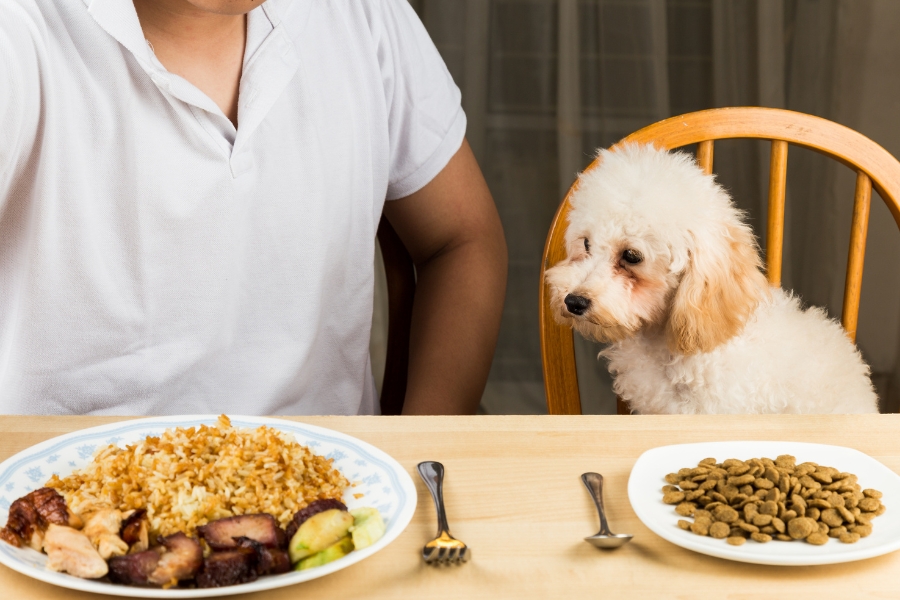
Human food may seem harmless, but some foods can cause digestive issues or even toxicity in dogs. If your puppy shows unusual symptoms after eating, a diagnostic checkup by a veterinarian is recommended.
When to Switch to Adult Dog Food
Knowing when to transition your puppy to adult food is essential.
General Guidelines:
- Small breeds: 9–12 months
- Medium breeds: Around 12 months
- Large breeds: 12–18 months
Switching too early can deprive your puppy of essential nutrients, while switching too late may lead to excess weight gain.
Signs You’ve Chosen the Right Food
How can you tell if you’ve selected the right food for your new puppy?
Healthy Signs to Look For:
- Steady growth and healthy weight
- Glossy, soft coat
- High energy levels
- Regular, firm stools
- Strong appetite
Warning Signs of Poor Nutrition:
- Dull coat
- Frequent diarrhea
- Low energy
- Poor growth
If you notice any of these issues, consult a veterinarian in Richmond for guidance. At COTA Veterinary, many pet owners receive personalized guidance based on their puppy’s breed, lifestyle, and health condition, ensuring optimal nutrition from day one.
Conclusion:
Choosing the right food for your new puppy is one of the most important responsibilities as a pet owner. From understanding nutritional needs to selecting high-quality ingredients and maintaining a proper feeding schedule, every step plays a role in your puppy’s development.
A well-balanced diet not only supports growth but also prevents future health problems. If you’re a puppy owner in Richmond and unsure about what to feed your puppy or need expert guidance, don’t hesitate to consult a trusted veterinarian near you. Book an appointment at COTA Veterinary today and give your puppy the healthiest start in life.
FAQs:
Q1: What is the best food for a new puppy?
Ans: The best food is a high-quality puppy formula labeled “complete and balanced” with real meat as the first ingredient.
Q2: How do I know if my puppy food is good quality?
Ans: Check for AAFCO certification, named protein sources, and avoid artificial additives or fillers.
Q3: Can puppies eat human food?
Ans: Some human foods are safe in small amounts, but many can be harmful. Always consult a vet before offering them.
Q4: How much should I feed my puppy daily?
Ans: It depends on age, breed, and activity level. Follow package guidelines and adjust as needed.
Q5: When should I change my puppy’s food?
Ans: Switch food gradually when transitioning to a new brand or when moving to adult dog food, usually between 9–18 months.