A urinary tract infection in dogs is more common than many pet parents realize—and it can quickly turn serious if left untreated. Recognizing dog UTI symptoms early helps prevent complications like kidney infections or chronic bladder issues. In this guide, we’ll break down the 7 key warning signs, causes, treatment options, and when to schedule a dog wellness check-up to keep your pet healthy.
What Is a Dog UTI and Why Does It Matter
A dog UTI occurs when bacteria enter the urinary tract, leading to inflammation and discomfort. It can affect the bladder (commonly called a dog bladder infection) or, in severe cases, the kidneys.
Dogs of all ages can develop UTIs, but they are more common in:
- Female dogs
- Senior pets
- Dogs with weakened immune systems
If ignored, a simple urinary tract infection in dogs can escalate into painful and potentially dangerous health conditions. That’s why early detection is critical.
7 Warning Signs of UTI in Dogs
1. Frequent Urination
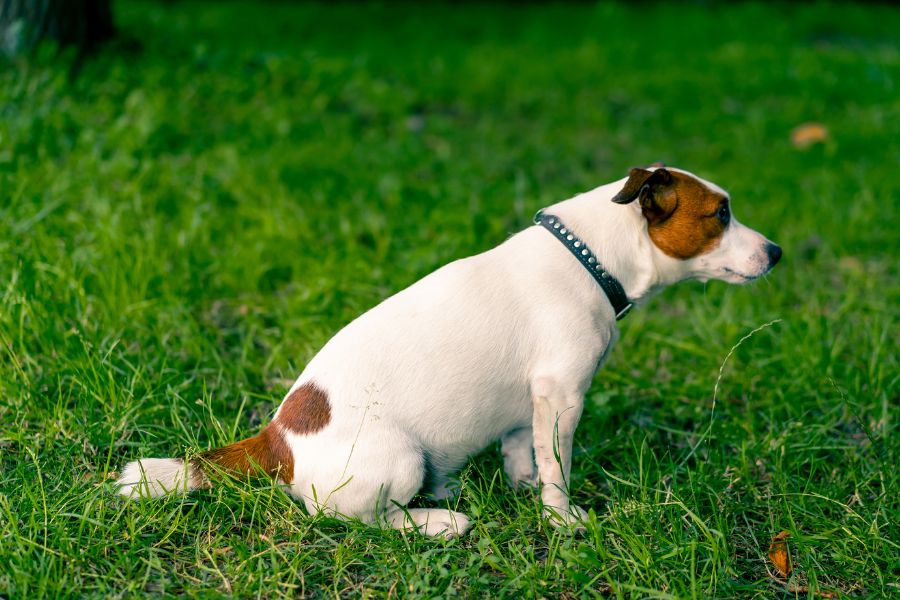
One of the earliest dog UTI symptoms is your dog needing to urinate more often than usual. You may notice:
- Asking to go outside repeatedly
- Passing small amounts of urine
This happens because the bladder becomes irritated and inflamed.
2. Straining or Pain While Urinating
If your dog appears uncomfortable or strains while urinating, it could indicate a bladder infection. Some dogs may even whine or show signs of distress.
3. Blood in Urine
Pink, red, or cloudy urine is a clear red flag. Blood in urine often signals infection or inflammation and should never be ignored.
4. Strong or Unusual Urine Odor
A strong, foul smell in your dog’s urine can indicate bacterial growth. This is a common but often overlooked sign of a dog UTI.
5. Accidents Inside the House
Even well-trained dogs may start having accidents indoors when dealing with a urinary tract infection in dogs. This is not behavioral—it’s medical.
6. Excessive Licking of Genital Area
Dogs instinctively lick irritated areas. Frequent licking around the urinary opening may indicate discomfort caused by infection.
7. Lethargy or Reduced Appetite
In more advanced cases, dogs may:
- Become less active
- Lose interest in food
This can mean the infection is worsening and needs immediate attention.
Common Causes of Dog UTIs
Understanding the root cause helps in both treatment and prevention. Common causes include:
- Bacterial infections (most common)
- Poor hygiene or grooming
- Bladder stones
- Diabetes or underlying health issues
- Weakened immune system
In humid areas, moisture can sometimes increase bacterial growth risk, especially in dogs with thick coats.
How UTIs in Dogs Are Diagnosed
A proper diagnosis is essential for effective treatment of UTIs in dogs. During a dog wellness check-up, your veterinarian may:
- Perform a urinalysis
- Conduct urine culture tests
- Check for underlying conditions like stones or diabetes
Early diagnosis ensures faster recovery and prevents complications.
UTI in Dogs: Treatment Options
1. Antibiotics
The most common treatment for a dog’s UTI is a course of antibiotics. It’s important to complete the full prescription, even if symptoms improve.
2. Increased Hydration
Encouraging your dog to drink more water helps flush bacteria from the urinary tract.
3. Dietary Adjustments
Special diets may be recommended to:
- Prevent crystal formation
- Support urinary health
4. Pain Relief Medications
In some cases, vets prescribe medication to reduce inflammation and discomfort.
5. Treating Underlying Conditions
If the UTI is caused by another issue (like bladder stones), that condition must be treated to prevent recurrence.
When Should You See a Vet?
You should schedule a visit immediately if your dog shows:
- Blood in urine
- Difficulty urinating
- Signs lasting more than 24 hours
Early intervention during a dog wellness check-up can prevent serious complications like kidney infections.
In Richmond, pet owners often delay visits, assuming symptoms will pass but UTIs rarely resolve on their own.
How to Prevent UTIs in Dogs
Prevention is always better than treatment. Here are simple steps:
- Ensure fresh water is always available
- Take your dog out for regular bathroom breaks
- Maintain proper hygiene, especially for long-haired breeds
- Schedule routine dog wellness check-ups
- Feed a balanced, vet-approved diet
Regular vet visits at COTA Veterinary can help detect early signs before they become serious health issues.
Why Regular Dog Wellness Check Ups Matter
Routine exams are essential for catching hidden health issues early. During a dog wellness check-up, your vet can:
- Monitor urinary health
- Detect infections before symptoms appear
- Provide preventive care tailored to your dog
This proactive approach saves both time and costly treatments in the long run.
Conclusion
A dog UTI is a common yet potentially serious condition that every pet parent should take seriously. By recognizing early dog UTI symptoms like frequent urination, blood in urine, or unusual behavior, you can act quickly and prevent complications. Proper UTI treatment in dogs, combined with regular checkups and preventive care, keeps your furry companion happy and healthy.
If you are a dog owner in Richmond area and notice any UTI warning signs, don’t wait. Schedule a health check-up at COTA Veterinary today and give your pet the care they deserve.
FAQs
Q1: How do I know if my dog has a UTI?
Ans: Common signs include frequent urination, straining, blood in urine, and accidents indoors. A vet test is needed to confirm a dog’s UTI.
Q2: Can a dog’s UTI go away on its own?
Ans: No, most urinary tract infections in dogs require antibiotics. Without treatment, the infection can worsen and spread to the kidneys.
Q3: How long does it take to treat a dog’s UTI?
Ans: Most cases improve within 7–14 days with proper treatment of UTI in dogs, but full recovery depends on severity and underlying conditions.
Q4: Are female dogs more prone to UTIs?
Ans: Yes, female dogs are more susceptible due to a shorter urethra, making it easier for bacteria to enter the urinary tract.
Q5: How can I prevent UTIs in my dog?
Ans: Provide clean water, regular bathroom breaks, proper hygiene, and routine dog wellness check-ups to reduce the risk of infections.