Noticing your pet losing weight without trying can be concerning. When is it time to see a vet for your pet’s weight loss? While minor fluctuations can be normal, sudden or unexplained weight loss often signals an underlying health issue. In this guide, we’ll help pet owners understand the warning signs, possible causes, and when to seek veterinary care to protect their pet’s health.
What Is Considered Unhealthy Weight Loss in Pets?
Weight loss in pets isn’t always obvious at first. A slight decrease in body weight over time may go unnoticed, especially in furry breeds. However, unhealthy weight loss typically means a noticeable drop in weight that occurs without changes in diet or activity level.
Here are some key indicators:
- Loss of muscle mass (especially around the spine and hips)
- Visible ribs or bones
- Reduced appetite or sudden eating changes
- Low energy or lethargy
Where pets often enjoy outdoor activities in parks and neighborhoods, it’s important to distinguish between healthy activity-related weight changes and concerning weight loss.
Common Causes of Pet Weight Loss
Understanding the causes can help answer the question: when is it time to see a vet for your pet’s weight loss?
1. Digestive Issues
Problems with digestion can prevent your pet from absorbing nutrients properly. Conditions like:
- Food intolerance
- Parasites
- Chronic diarrhea
These issues can lead to steady weight loss even if your pet is eating normally.
2. Dental Problems
Painful teeth or gum disease can make eating uncomfortable. Pets may:
- Avoid food
- Chew on one side
- Drop food while eating
3. Chronic Illnesses
Several long-term health conditions can cause weight loss, including:
- Kidney disease
- Liver disease
- Diabetes
- Thyroid imbalances
These conditions often require diagnostic care for pets to confirm.
4. Cancer
Unfortunately, unexplained weight loss is one of the earliest signs of cancer in pets. Early detection is critical for better outcomes.
5. Stress or Behavioral Changes
Changes in the environment, like moving homes or getting new pets, can affect appetite. Richmond’s growing neighborhoods and busy lifestyle can sometimes contribute to pet stress.
When Is It Time to See a Vet for Your Pet’s Weight Loss?
This is the most important question for any pet owner. While mild fluctuations may not be urgent, certain signs mean you should act quickly.
See a vet immediately if you notice:
- Rapid weight loss within days or weeks
- Loss of appetite for more than 24–48 hours
- Vomiting or diarrhea along with weight loss
- Weakness or reduced activity
- Changes in drinking or urination habits
Schedule a vet visit if:
- Weight loss continues over time
- Your pet seems “off” or less playful
- Eating habits have changed noticeably
Early intervention can prevent serious complications and improve recovery outcomes.
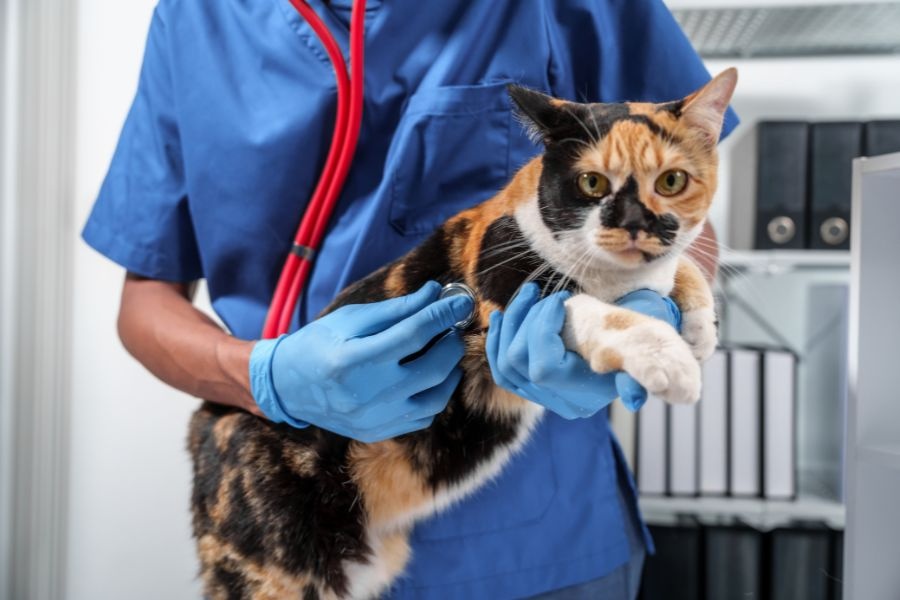
How Vets Diagnose Weight Loss in Pets
Typical diagnostic steps include:
- Physical Examination
Checking body condition, hydration, and overall health - Blood Tests
To detect infections, organ function issues, or metabolic diseases - Fecal Tests
To identify parasites or digestive problems - Imaging (X-rays or Ultrasound)
Used to detect internal abnormalities or tumors - Diet Review
Evaluating what and how much your pet is eating
These tests help pinpoint the exact cause and guide proper treatment.
Treatment Options for Pet Weight Loss
Treatment depends on the underlying cause. Once diagnosed, your vet may recommend:
Medical Treatments
- Medications for infections or chronic conditions
- Deworming treatments for parasites
- Hormone therapy for endocrine disorders
Dietary Changes
- High-calorie or prescription diets
- Easily digestible foods
- Feeding schedule adjustments
Supportive Care
- Fluid therapy for dehydration
- Appetite stimulants
- Nutritional supplements
Many pet owners benefit from customized nutrition plans tailored to their pet’s lifestyle and health needs.
How to Monitor Your Pet’s Weight at Home
Keeping track of your pet’s weight is one of the best ways to catch problems early.
Simple tips:
- Weigh your pet monthly
- Keep a feeding log
- Observe eating and drinking habits
- Check body condition regularly
You can also use a Body Condition Score (BCS) chart to assess whether your pet is underweight, ideal, or overweight.
Preventing Unhealthy Weight Loss in Pets
Prevention plays a key role in maintaining your pet’s overall wellness.
Best practices include:
- Regular veterinary check-ups
- Balanced and high-quality diet
- Parasite prevention
- Dental care
- Stress management
Richmond pet owners often enjoy outdoor activities like walking along the James River or visiting dog parks. Just make sure your pet maintains proper nutrition to support an active lifestyle.
Why Early Veterinary Care Matters
Delaying a vet visit can allow underlying conditions to worsen. Weight loss is often a symptom, not a disease, meaning something else is going on internally.
Early diagnosis offers:
- Better treatment success rates
- Lower medical costs over time
- Improved quality of life for your pet
Conclusion:
So, when is it time to see a vet for your pet’s weight loss? The answer is simple: if the weight loss is unexplained, persistent, or accompanied by other symptoms, it’s time to seek professional help. Even small changes can indicate serious health issues, and early intervention can make all the difference.
If you are a pet owner and notice your pet is losing weight or showing unusual behavior, don’t wait. Schedule a check-up at COTA Veterinary to ensure your furry companion stays happy and healthy.
FAQs
Q1: How much weight loss in pets is considered serious?
Ans: Losing more than 10% of body weight unintentionally is considered serious and should be evaluated by a veterinarian as soon as possible.
Q2: Can stress cause weight loss in pets?
Ans: Yes, stress from environmental changes or anxiety can reduce appetite and lead to noticeable weight loss over time.
Q3: Should I change my pet’s food if they are losing weight?
Ans: Not without consulting a vet. Sudden diet changes may worsen the issue if an underlying medical condition exists.
Q4: How quickly should I act if my pet stops eating?
Ans: If your pet refuses food for more than 24–48 hours, it’s important to seek veterinary care immediately.
Q5: Can older pets lose weight naturally?
Ans: While metabolism changes with age, unexplained weight loss in senior pets is not normal and requires veterinary evaluation.