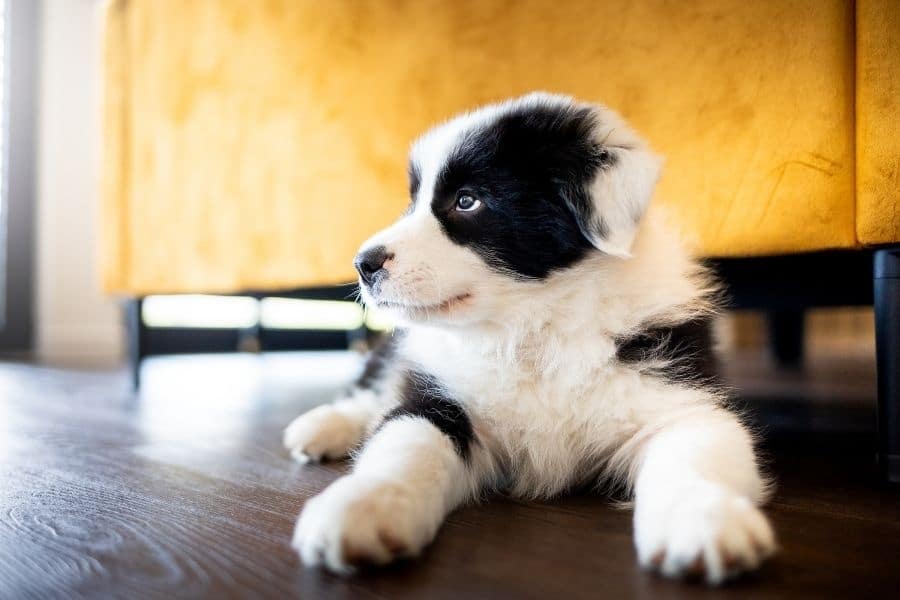
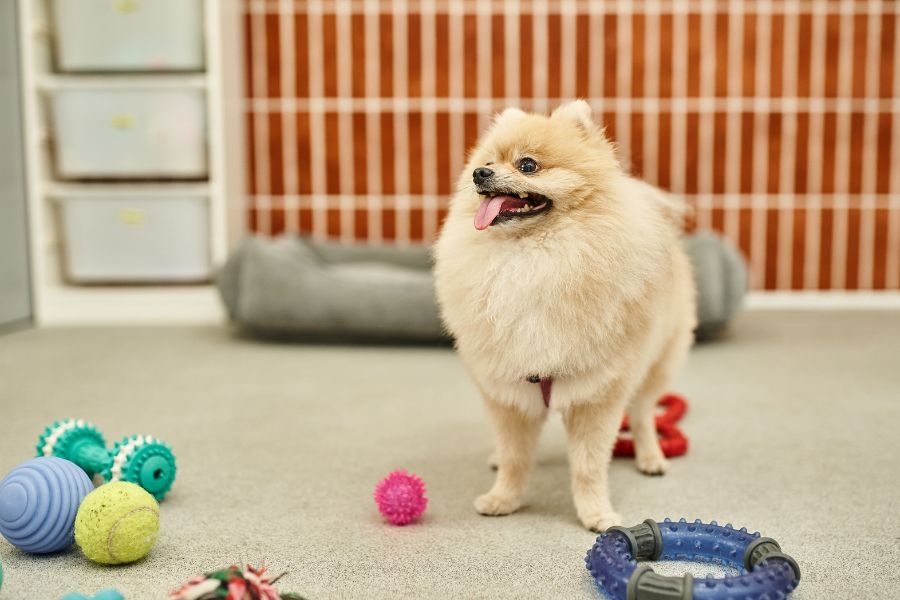
Does your dog seem restless, bored, or always looking for something to chew, chase, or carry? Active dogs need more than a daily walk. They need the right toys. Finding the best toys for active dogs does more than keep your pup entertained. It supports healthy joints, reduces destructive behavior, burns mental energy, and builds a stronger bond between you and your pet. The wrong toy, on the other hand, can pose a choking hazard, cause dental fractures, or simply end up ignored after five minutes. At our clinic, we see the difference that thoughtful toy choices make in a dog’s overall health and temperament. This guide breaks down what veterinarians actually recommend, what to look for in a safe toy, and how to match the right toy to your dog’s energy level and play style.
What Are the Best Toys for Active Dogs?
The best toys for active dogs fall into a few key categories: fetch toys, tug toys, puzzle feeders, interactive chew toys, and scent-based enrichment games. Each type targets a different kind of energy, whether that is physical, mental, or instinct-driven.
Active dogs burn energy through movement, but they also need cognitive challenges to feel truly satisfied. A dog that runs five miles and comes home to an empty living room can still find ways to get into trouble. That restlessness is a sign of under-stimulation, not just under-exercise.
Here is a quick breakdown of what veterinarians most commonly recommend by play style:
- Fetch toys: Rubber or foam balls, flying discs, and launcher-compatible toys for high-drive retrievers and sporting breeds
- Tug toys: Rope toys and bungee-style tugs for strong, mouthy dogs who love resistance play
- Puzzle feeders: Slow feeder bowls, snuffle mats, and treat-dispensing balls for dogs who eat too fast or need mental engagement
- Interactive chew toys: Rubber Kongs, nylon chews, and fillable toys for heavy chewers and anxious dogs
- Scent games: Licki mats and hide-and-seek nose work toys for scent hound breeds and dogs with high prey drive
No single toy works for every dog. The goal is to match the toy to the dog’s breed instincts, size, and energy output.
Dog Toy Safety Tips Every Owner Should Know
Toy safety is something veterinarians talk about constantly, and for good reason. We see dogs come in with swallowed toy pieces, damaged teeth, and soft tissue injuries that could have been prevented with a few simple checks before playtime. Following basic dog toy safety tips protects your dog and keeps vet visits for fun reasons, not urgent ones.
Before giving your dog any new toy, check for these red flags:
- Size: The toy should be too large to fit completely inside your dog’s mouth. Small toys are a swallowing hazard for medium and large-breeds.
- Material: Avoid toys with hard plastic seams, small glued-on parts, or thin nylon that can splinter. Look for non-toxic rubber or natural fibers.
- Squeakers: Many dogs will work immediately to remove and swallow a squeaker. Supervise all squeaky toy play or choose squeaker-free options.
- Stuffed toys: Great for gentle dogs. For power chewers, these become shredded within minutes and can create ingestion hazards.
- Ropes: Rope toys are fine for tug play, but loose strands can be swallowed and cause intestinal blockages. Inspect them regularly and replace when fraying begins.
Always supervise your dog with a new toy for the first several play sessions before leaving them alone with it. Even a toy marketed as “indestructible” should earn that label with your specific dog before you trust it unsupervised. Following consistent dog toy safety tips is one of the easiest ways to prevent unnecessary vet visits.
Interactive Dog Toys Benefits: More Than Just Fun
One of the most common things we hear from pet owners is, “My dog exercises a lot, but still seems anxious or destructive.” That is where the benefits of interactive dog toys become clear. Physical exercise tires the body. Mental exercise tires the mind. Active dogs need both.
Interactive toys engage problem-solving instincts. When a dog has to figure out how to release a treat from a puzzle feeder, spin a compartment, or sniff out a hidden reward, they are using the same cognitive pathways that would fire in the wild during a hunt or a foraging session. The result is a calmer, more satisfied dog at the end of a play session.
The interactive dog toys benefits extend beyond behavior. Studies in canine cognition consistently show that mentally stimulated dogs age more gracefully, show fewer signs of cognitive decline, and demonstrate lower cortisol levels overall. At our vet clinic in Richmond, VA, we often recommend interactive feeders and puzzle toys as part of a management plan for anxious dogs before considering behavioral medications.
Popular interactive toy options that hold up well for active breeds include:
- Treat-dispensing balls that roll and release kibble unpredictably
- Multi-layer puzzle boards with sliding compartments
- Snuffle mats that mimic foraging behavior in grass
- Licki mats with textured surfaces for calming, slow engagement
- Fillable rubber toys frozen overnight for extended chew sessions
Start with an easier puzzle level and work up. A dog that gets frustrated and gives up has not benefited from the toy.
Mentally Stimulating Dog Toys for High-Energy Breeds
Not all active dogs are the same. A Border Collie, a Belgian Malinois, and a Labrador Retriever may all be classified as high-energy, but their cognitive needs differ significantly. Choosing mentally stimulating dog toys that match your dog’s breed drive makes a real difference in how satisfied they feel after play.
Herding breeds like Border Collies and Australian Shepherds thrive with toys that involve moving parts, patterns, or problem-solving sequences. These dogs can master basic puzzles quickly, so rotating toy difficulty is important.
Sporting breeds like Labradors and Spaniels respond well to nose work and retrieve-based toys. Scent games and fetch variations keep them engaged without over-stressing joints.
Working breeds like German Shepherds and Rottweilers need toys that are both mentally stimulating and physically tough. These dogs benefit most from mentally stimulating dog toys made of reinforced rubber, combined with tug and retrieve play under owner supervision.
One misconception we hear frequently in Richmond is that a big backyard solves everything. It does not. A dog left alone in a yard without structured play or engaging toys often develops fence running, excessive barking, or digging habits. Outdoor space is a bonus, not a substitute for mental engagement.
Rotate your dog’s toy collection every few days. Dogs habituate quickly to the same objects. A toy that gets packed away for a week feels brand new when it reappears.
Durable Chew Toys for Dogs Who Play Rough
Heavy chewers are in a category of their own. If your dog has destroyed every toy within an hour of receiving it, you know the challenge. The wrong chew toy can do real damage. We regularly see dogs with broken teeth, fractured premolars, and gum lacerations caused by toys that were simply too hard for a dog’s bite strength.
A useful rule of thumb: if you press your thumbnail into the surface of a chew toy and it leaves no mark, the toy is too hard. Durable chew toys for dogs should have some give to them. Antlers, hard nylon bones, and cooked bones fall outside safe limits for most dogs.
Safe and effective options for strong chewers include:
- Natural rubber toys: The gold standard. Flexible, non-toxic, available in multiple sizes, and can be filled with food to extend the chewing session.
- Bully sticks: A digestible single-ingredient chew option. Always supervise and take away the last 2-3 inches to prevent swallowing.
- Edible dental chews: Vet-approved dental chews add oral health benefits and satisfy the chewing drive at the same time.
- Reinforced canvas or ballistic nylon toys: Better than thin stuffed toys for moderate chewers who like to carry.
The vet team at COTA Veterinary advises against giving dogs any toy or chew item not specifically rated for their size. A chew marketed for “large breeds” still needs to match your individual dog’s jaw strength. When in doubt, ask your vet at your next visit.
Durable chew toys for dogs also help reduce plaque and tartar buildup when used consistently. This is not a replacement for professional dental cleanings, but it does extend the time between appointments and keeps gums healthier between visits.
Giving Your Active Dog the Play Life They Deserve
Active dogs are joyful, loyal, and endlessly entertaining. They are also demanding. Meeting those demands with the right toys pays off in better behavior, fewer anxiety issues, stronger muscles, and a calmer household.
Finding the best toys for active dogs is not about buying the most expensive item on the shelf. It is about matching the toy to your specific dog’s drive, size, and cognitive level, then checking those toys regularly for wear and safety. Rotate, supervise, and upgrade as your dog grows and changes. When a toy no longer challenges your dog or shows signs of damage, retire it.
If you have questions about which toys are appropriate for your dog’s age, breed, or health condition, COTA Veterinary is happy to help at your next wellness visit. Book an appointment today.
Frequently Asked Questions
Q: What are the safest toys for large, high-energy dogs?
Ans: Natural rubber toys, reinforced tug toys, and treat-dispensing balls rated for large breeds are among the safest options. Always choose a size that cannot fit completely in your dog’s mouth, and supervise the first several play sessions with any new toy.
Q: How often should I replace my dog’s toys?
Ans: Inspect toys after every play session. Replace any toy that shows fraying, cracking, missing pieces, or exposed stuffing. As a general rule, most toys should be evaluated monthly and replaced as soon as structural damage appears, regardless of how recently you purchased them.
Q: Are puzzle toys appropriate for all dog breeds?
Ans: Yes, but the difficulty level should match the dog’s cognitive engagement. Start with simple puzzles and increase the complexity as your dog solves them confidently. High-drive herding and working breeds often need more challenging options than other dogs.
Q: Can I leave my dog alone with chew toys?
Ans: Some chew toys are safer for unsupervised use than others. Natural rubber Kongs and certain edible chews can typically be left with a dog, but rope toys, stuffed plush toys, and toys with removable parts should only be used under supervision to prevent ingestion hazards.
Q: My dog loses interest in toys quickly. What should I do?
Ans: Toy rotation is the most effective solution. Keep 3 to 5 toys in play at a time and rotate a different set in every few days. Dogs habituate quickly to familiar objects. A toy stored away for a week often feels new and exciting when reintroduced.