
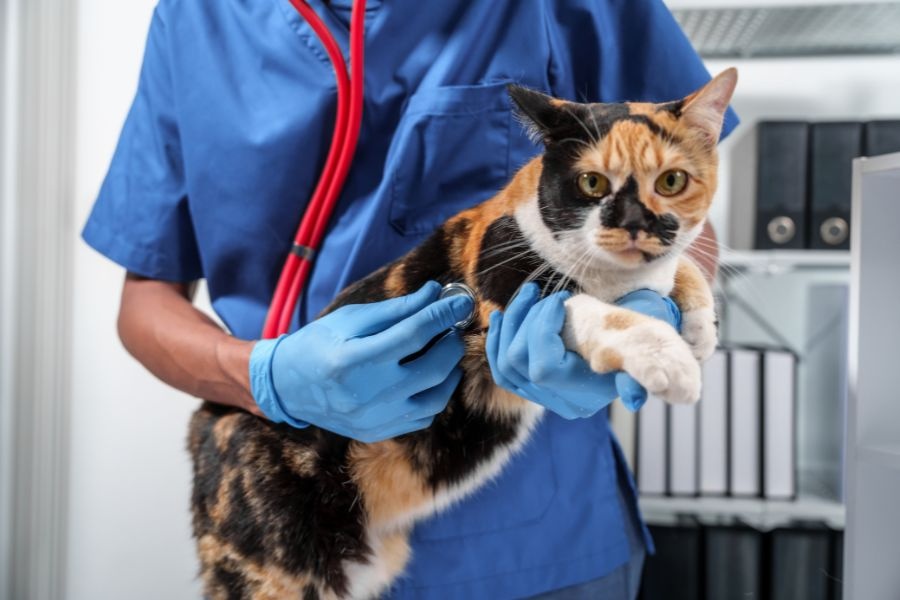
Your pet cannot tell you when something feels wrong. That is one of the most important things to understand as a pet owner. Animals instinctively hide signs of illness, which means by the time you notice something is off, the problem may already be advanced. Early diagnostic pet care changes everything. It gives veterinarians the tools to find problems before they become emergencies. At our clinic, we see firsthand how routine diagnostics catch diseases that would otherwise go undetected for months. From bloodwork to imaging, modern veterinary diagnostics are precise, fast, and often life-saving. This article explains what early diagnostic care involves, why it matters at every life stage, and what signs should prompt an immediate vet visit. If your pet is due for a checkup, do not wait. Early detection is one of the most powerful investments you can make in your pet’s long-term health.
What Early Diagnostic Care Actually Means
Early diagnostic pet care refers to routine testing and screening performed before a pet shows obvious symptoms of disease. It is not just for sick animals. It is for every pet, at every age.
A standard diagnostic visit may include a full physical exam, blood panels, urinalysis, parasite screening, and sometimes digital X-rays or ultrasound. These tools give your veterinarian a complete picture of what is happening inside your pet’s body.
According to the American Veterinary Medical Association (AVMA), many common conditions in pets, including kidney disease, diabetes, and heart disease, are far more manageable when caught in the early stages. Waiting until symptoms appear often means the disease has already caused significant damage.
Pet owners are often surprised by what a routine blood panel reveals. A dog that seems perfectly happy and active can have early-stage kidney disease showing in lab values long before any outward signs appear.
Signs Your Pet May Need Diagnostic Testing Now
Does your pet need to see a vet for diagnostics? Here are key warning signs that should prompt a call to your clinic right away.
- Increased thirst or urination. This can signal kidney disease, diabetes, or hormonal imbalances.
- Sudden weight loss or gain. Unexplained changes in body weight are often tied to internal issues that lab work can identify.
- Lethargy or reduced activity. A dog or cat that suddenly seems low-energy may be managing pain or illness they cannot express.
- Changes in appetite. Eating significantly more or less than usual is one of the clearest signs your pet is sick.
- Vomiting or diarrhea lasting more than 24 hours. Occasional upset stomachs happen, but persistent symptoms require investigation.
- Bad breath or changes in coat quality. These may signal dental disease, nutritional deficiencies, or metabolic problems.
If you notice any of these signs, contact your nearest veterinarian promptly. Pet owners often tell us they assumed these symptoms would resolve on their own. In many cases, early intervention at that point made a significant difference in the outcome.
How Routine Bloodwork for Pets Reveals Hidden Illness
One of the most valuable tools in early diagnostics is a comprehensive blood panel. Routine bloodwork for pets screens organ function, checks red and white blood cell counts, evaluates blood sugar, and measures key proteins and enzymes.
For senior pets, bloodwork is especially critical. Dogs and cats aged seven and older are at higher risk for thyroid disorders, liver disease, and cancer. Annual or biannual panels create a baseline, so your vet can spot changes year-over-year.
Younger pets benefit from bloodwork, too. Pre-surgical panels ensure your pet is healthy enough for anesthesia. Puppy and kitten panels help identify any inherited conditions early.
A common misconception about bloodwork is that it is only needed when a pet is ill. In reality, healthy-looking pets can have values outside the normal range. Catching that early means treatment begins before symptoms emerge, when outcomes are typically much better.
Pet Wellness Exam Benefits Go Beyond the Basics
A wellness exam is not just a weigh-in and a vaccine update. The pet wellness exam benefits include a head-to-tail physical that checks lymph nodes, heart rhythm, joint mobility, dental health, eye clarity, and abdominal organ size.
During a wellness visit, your vet is looking for patterns over time. A slightly enlarged lymph node this year, compared to last year’s normal reading, tells a story. That kind of longitudinal data is only possible when pets come in consistently.
The American Animal Hospital Association (AAHA) recommends annual wellness exams for adult pets and twice-yearly exams for seniors. These guidelines exist because so much can change in a pet’s health within a single year.
Pet wellness exam benefits also include time for conversation. Your vet can walk you through nutrition adjustments, dental care, weight management, and behavior changes that may signal early cognitive decline in older animals. These conversations are preventive medicine in action.
Preventive Vet Care Tips Every Pet Owner Should Follow
Preventive care is a year-round commitment, not a once-a-year visit. Here are practical preventive vet care tips to help your pet stay ahead of illness.
- Schedule annual exams without exception. Even if your pet seems healthy, yearly visits give your vet the data needed to catch changes early.
- Keep a home health log. Note your pet’s weight, appetite, water intake, and energy levels monthly. Share it at every vet visit.
- Do not skip parasite prevention. Heartworm, fleas, and ticks carry diseases that can cause serious internal damage. Prevention is always easier than treatment.
- Watch for behavioral changes. Pets communicate through behavior. A normally social cat hiding more often may be managing pain or illness.
- Follow through on recommended diagnostics. If your vet recommends a follow-up blood panel or imaging, do not delay. Those tests exist for a reason.
We frequently remind pet owners in Richmond that consistent preventive vet care tips are not about over-medicating or over-testing. They are about knowing your pet’s baseline so that anything abnormal stands out immediately.
COTA Veterinary provides comprehensive diagnostic care for Richmond pet owners that is designed to catch illness before it progresses, giving your pet the best possible chance at a long, healthy life.
Conclusion
Your pet depends on you to make decisions it cannot make for itself. Choosing early diagnostic pet care is one of the most important choices you can make as a responsible pet owner. Conditions caught in early stages are almost always easier to treat, less expensive to manage, and associated with better long-term outcomes. Do not wait for symptoms to appear before scheduling a visit. Regular diagnostics, wellness exams, and bloodwork are not extras. They are essentials. The team at COTA Veterinary is here to partner with you in keeping your pet healthy at every age and stage. Whether your pet is a young puppy, a senior dog, or a middle-aged cat, early detection matters. Book an appointment today.
Frequently Asked Questions
How often should my pet have diagnostic testing done?
Ans: Most adult pets benefit from annual diagnostic testing, including a blood panel and urinalysis. Senior pets aged seven and older should be tested every six months. Your veterinarian will recommend a schedule based on your pet’s age, breed, and health history.
What does a routine pet blood panel check for?
Ans: A routine blood panel checks kidney and liver function, blood sugar levels, red and white blood cell counts, and key proteins and enzymes. It gives your vet a comprehensive look at your pet’s internal health, even when no symptoms are present.
Can early diagnostic testing really extend my pet’s life?
Ans: Yes. Conditions like kidney disease, diabetes, and certain cancers are significantly more treatable when caught early. Early detection allows for intervention before organ damage becomes severe, which often leads to better outcomes and longer life expectancy.
My pet seems completely healthy. Do they still need diagnostics?
Ans: Absolutely. Many serious conditions show no outward symptoms in their early stages. Pets instinctively hide discomfort and illness. Routine diagnostics provide a window into your pet’s internal health that a visual exam alone cannot offer.
At what age should pets start getting regular diagnostic care?
Ans: Diagnostic care can begin as early as the first puppy or kitten wellness visit. Pre-surgical bloodwork is standard before any procedure. By age one, annual diagnostics should be part of every pet’s routine care plan, with increased frequency as they enter their senior years.